Tag: best home care Philadelphia

Transforming Dementia Care: Positive Approach to Care Workshops for Your Team

Delivering exceptional dementia care requires more than staffing. It requires the right training, the right mindset, and a consistent approach across your entire team. At NursePartners, we partner with assisted living communities, skilled nursing facilities, and memory care units to elevate care through hands on, practical training rooted in proven methodology.

The Positive Approach to Care workshops, as taught by Teepa Snow and her team, are designed to empower your staff, improve resident outcomes, and create a more confident, capable care environment.


Why Facilities Choose Positive Approach to Care Training

Caring for individuals living with dementia presents unique challenges. Staff may feel overwhelmed, communication can break down, and behaviors can escalate without the right tools in place.

Our workshops, based on the work of Teepa Snow, provide your team with practical strategies they can use immediately.

Facilities that invest in this training often see:

  • Improved staff confidence and retention
  • Reduced behavioral incidents and escalations
  • Stronger communication between staff and residents
  • Higher satisfaction for residents and families
  • More consistent care delivery across shifts

This is not theory. It is actionable training that transforms daily care.


What Makes Our Workshops Different

At NursePartners, we do more than present information. We create engaging, interactive learning experiences that stick.

Certified Experts On Site

We send Positive Approach to Care certified champions, teachers, and trainers directly to your facility. Your team learns from professionals who specialize in dementia care and understand real world challenges.

Hands On Learning

Our workshops include live demonstrations, role playing, and real life scenarios. Staff do not just hear the material. They practice it in a supportive environment.

Immediate Application

Every technique is designed to be used on the floor right away. From approach and communication to redirection and personal care, your staff will leave with tools they can apply on their next shift.

Customized for Your Facility

We tailor each workshop to your environment, your residents, and your team. Whether you operate assisted living, skilled nursing, or a dedicated memory care unit, the training is relevant and specific to your needs.


Building a Stronger Care Culture

The true impact of Positive Approach to Care goes beyond individual interactions. It creates a shared language and approach across your entire organization.

When your staff is aligned:

  • Care becomes more consistent
  • Team communication improves
  • Stress and burnout are reduced
  • Residents experience more positive, supportive interactions

This shift leads to a stronger culture of care that families notice and trust.


Ongoing Support That Sets You Apart

Our partnership does not end when the workshop is complete. NursePartners, Inc. can continue to support your team through:

  • Advanced training sessions
  • Refresher workshops
  • On site coaching and guidance
  • Access to additional dementia care resources

We help you sustain and build on the progress your team makes.


Elevate Your Standard of Care

In today’s environment, quality of care is a key differentiator. Facilities that invest in staff training are better positioned to deliver exceptional experiences and stand out in a competitive market.

With Positive Approach to Care workshops from NursePartners, Inc., you are not just training your staff. You are transforming how care is delivered.

If you are ready to strengthen your team, improve resident outcomes, and build a more confident care environment, we are here to help.

Contact us today to schedule a workshop and bring the Positive Approach to Care into your facility, 610-323-9800.

Spring Into Connection: Meaningful Activities for Older Adults Living with Dementia

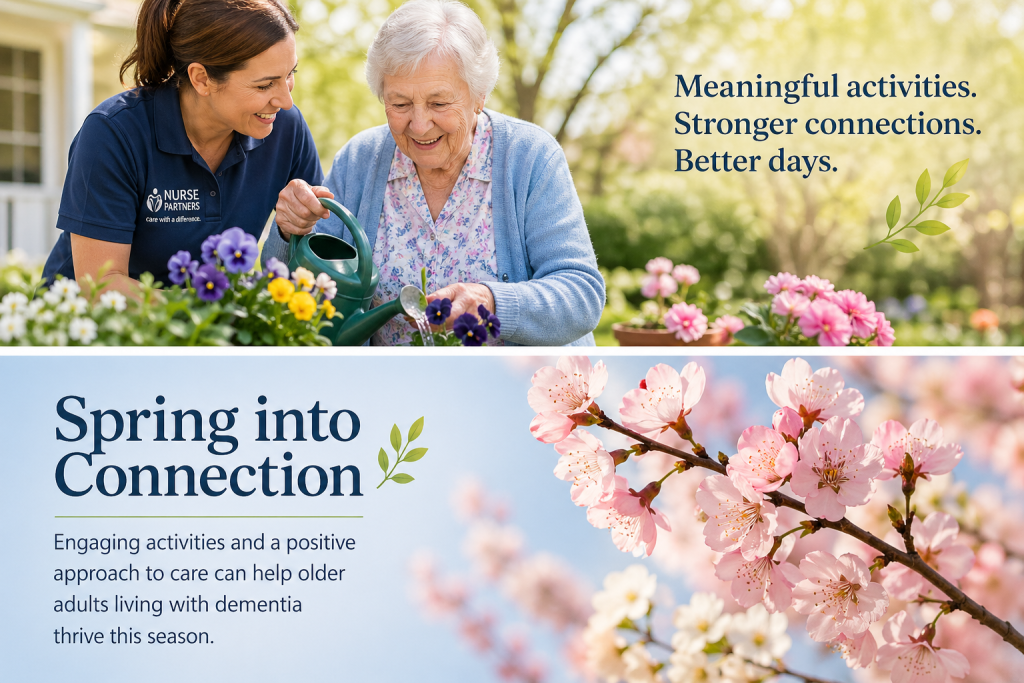
As spring arrives, it brings renewed energy, warmer days, and more opportunities to connect. For older adults living with dementia, this season offers a meaningful chance to engage in ways that support well-being, spark joy, and strengthen relationships. At NursePartners,, our focus is always on creating purposeful experiences that meet each individual where they are.

We believe great care is not just about meeting needs. It is about creating moments of connection that enhance quality of life.

A Positive Approach to Care

Our care philosophy is rooted in the Positive Approach to Care, developed by Teepa Snow. This approach focuses on ability rather than loss. Instead of asking what someone can no longer do, we focus on what they can still accomplish and enjoy.

This mindset allows our caregivers to:

  • Build trust through supportive and respectful interactions
  • Adapt activities to match each person’s abilities
  • Create success driven experiences that reduce frustration
  • Foster dignity, independence, and purpose
  • Every interaction becomes an opportunity to connect.

Spring Activities That Create Meaningful Moments
Spring provides a natural setting for engagement. With the right support, even simple activities can become powerful experiences.

Enjoying the Outdoors

Fresh air and sunshine can have a calming and uplifting effect. Whether it is a short walk, sitting on a patio, or enjoying a garden, being outside stimulates the senses and encourages relaxation. Our caregivers focus on the experience itself, helping clients feel safe, present, and connected.

Gardening with Purpose

Gardening offers both physical and emotional benefits. Simple tasks like watering plants, arranging flowers, or planting seeds provide a sense of accomplishment. These familiar activities can reconnect individuals to past routines and create a feeling of contribution.


Reminiscing and Conversation

Spring often brings back memories of family gatherings, holidays, and time spent outdoors. Looking through photos or sharing stories helps clients reconnect with their identity. Our caregivers guide these conversations in a way that promotes comfort and positive emotion.


Music and Gentle Movement

Music remains one of the most powerful tools in dementia care. Listening to familiar songs or encouraging light movement can improve mood and increase engagement. Each experience is tailored to the individual’s preferences and energy level.


Daily Tasks with Meaning

Everyday activities such as folding laundry or setting the table can provide structure and purpose. These moments are not about completing a task perfectly. They are about helping clients feel involved, capable, and valued.


Creative Expression

Spring inspired arts and crafts allow for creativity without pressure. Painting, coloring, or simple hands on projects encourage self expression and engagement at any ability level.

Care That Adapts to the Individual

At NursePartners, we understand that no two individuals experience dementia the same way. That is why our care plans are personalized and flexible.

Our caregivers are trained to:

  • Adjust activities in real time based on ability and mood
  • Provide just the right level of support
  • Recognize cues and respond with empathy and skill
  • Create a balance between engagement and rest

This approach leads to more positive outcomes and a higher quality of life.

More Than Care. A True Partnership.

Spring is a season of renewal, but meaningful engagement should be part of every day. Through our commitment to the Positive Approach to Care, we help families feel confident that their loved ones are supported, understood, and genuinely cared for.

At NursePartners, we do more than provide care. We create connection, purpose, and peace of mind for the families we serve.

If you are looking for compassionate, skilled support for a loved one living with dementia, our team is here to help you every step of the way.  Call us today at 610-323-9800.


ChatGPT Image Apr 27 2026 08 22 12 AM Spring Into Connection: Meaningful Activities for Older Adults Living with Dementia

Recognizing Changes in Dementia and Adapting the Way We Care

Caring for a person living with dementia requires us to recognize change and adjust our approach in response. Dementia is progressive, but the way it presents is different for each individual. Families and caregivers are often the first to notice subtle shifts such as increased confusion, changes in communication, disrupted sleep, or behaviors that feel unfamiliar. These moments are important signals that it is time to adapt how we engage and provide care.

At NursePartners, we emphasize that behavior is a form of communication. When someone living with dementia appears resistant, anxious, or withdrawn, it is often a response to feeling overwhelmed or misunderstood. Rather than correcting or confronting, we shift our perspective and ask what the person may be trying to express. We consider what has changed in their abilities and how we can better support them.

This is where the Positive Approach to Care philosophy plays a critical role. It reminds us to focus on connection before task. We slow down, approach from the front, make eye contact, and use clear and supportive cues. Instead of offering multiple step directions, we simplify tasks into manageable parts. Rather than asking open ended questions, we provide gentle choices and visual guidance to reduce frustration.

As dementia progresses, communication becomes less about words and more about tone, body language, and emotional presence. A calm voice, relaxed posture, and reassuring touch can be more effective than explanation. When we adjust how we communicate, we help reduce distress and create a more supportive environment.

Recognizing change also allows us to anticipate needs. If dressing becomes difficult, we can lay out clothing in the order it should be put on. If mealtimes become confusing, we can simplify the setting and reduce distractions. These thoughtful adjustments help maintain dignity and independence.

It is equally important to be aware of our own reactions. Feelings of frustration or urgency can quickly escalate a situation. Taking a moment to pause allows us to respond with intention. In dementia care, success is not defined by speed or task completion. It is defined by connection, comfort, and trust.

Dementia changes how a person experiences the world. As caregivers, our role is to change with them. By recognizing these shifts and adapting our approach, we create an environment where individuals living with dementia can continue to feel safe, valued, and understood.

Fishing with Older Adults: A Relaxing, Rewarding Outdoor Activity

Fishing is a peaceful, low-impact activity that provides both mental and physical benefits, making it an ideal outing for older adults. Whether from the bank of a lake, a dock, or a gently rocking boat, fishing allows older adults to reconnect with nature, engage in meaningful conversation, and enjoy the satisfaction of a catch. With a few thoughtful adjustments, fishing can be accessible and enjoyable for individuals with mobility or vision limitations.

fishing with older adults Fishing with Older Adults: A Relaxing, Rewarding Outdoor Activity

Customizing the Experience

1. Choose an Accessible Location:
Look for fishing spots with flat, paved paths and sturdy railings. Docks with ramps or fishing piers designed for wheelchairs or walkers can make the experience safe and easy to navigate.

2. Seating and Shade:
Bring along comfortable, portable chairs with back support and armrests. Set up under shade if possible, to protect from sun exposure. Umbrellas or wide-brimmed hats also help provide comfort during longer outings.

3. Use Adaptive Gear:
Fishing rods with larger handles, automatic reels, or button-activated casting tools can help those with reduced grip strength or dexterity. Tackle boxes with organized, easy-to-see compartments also help with visibility.

4. Consider Vision-Friendly Solutions:
High-contrast fishing lines (such as neon yellow or orange), large-print instructions, and brightly colored bobbers can help those with limited vision. Pre-tied hooks and simplified gear reduce the need for close-up detail work.

5. Plan for Comfort and Safety:
Keep water, snacks, and sunscreen on hand. Make sure older adults are dressed in layers and wear non-slip footwear. Always consider weather and temperature to avoid overexertion.

6. Make it Social:
Fishing is often more about the experience than the catch. Bring a companion or caregiver to assist with the physical aspects and to share stories, laughter, and moments of calm.

A Memory in the Making

Fishing with older adults is more than a pastime, it’s a way to connect across generations, stimulate the senses, and promote well-being. By tailoring the experience to meet their physical needs, you can help create an outing that is both accessible and deeply meaningful.

Honoring Black Nurses: Pioneers of Care and Advocacy

Black nurses have played a crucial role in shaping healthcare, breaking racial barriers, and advocating for equitable medical treatment. As we celebrate Black History Month, we recognize the resilience, skill, and compassion of these healthcare pioneers.

nurse hands Honoring Black Nurses: Pioneers of Care and Advocacy

Trailblazers in Nursing

One of the earliest Black nurses, Mary Eliza Mahoney, became the first African American licensed nurse in 1879. She dedicated her career to fighting for racial equality in nursing, co-founding the National Association of Colored Graduate Nurses (NACGN) in 1908.

Harriet Tubman, known for leading enslaved people to freedom, also served as a nurse during the Civil War, providing care to wounded soldiers and advocating for better medical treatment for Black troops.

Susie King Taylor was another Civil War nurse who worked tirelessly to treat soldiers while also teaching formerly enslaved individuals how to read and write.

The Fight for Equity in Healthcare

Throughout the 20th century, Black nurses pushed for desegregation in healthcare. Mabel Keaton Staupers, a relentless advocate, fought for the inclusion of Black nurses in the U.S. Army and helped integrate the American Nurses Association (ANA).

During the Civil Rights Movement, Black nurses like Estelle Massey Osborne worked to open doors for Black professionals in education and hospital leadership, ensuring greater opportunities for future generations.

Black Nurses Today

Black nurses continue to impact healthcare through leadership, education, and advocacy. Organizations like the National Black Nurses Association (NBNA) support the advancement of Black nurses while addressing health disparities affecting Black communities.

As we reflect on Black history, we celebrate the invaluable contributions of Black nurses—past and present—who have shaped the profession with their dedication and perseverance. Their legacy serves as an inspiration to all, reminding us of the power of advocacy, education, and compassionate care.

Five Breakthroughs in Dementia Care from the Last Five Years

Dementia care has evolved significantly in recent years, thanks to advancements in research, technology, and therapeutic approaches. These breakthroughs are not only improving the quality of life for individuals living with dementia but are also offering hope to families and caregivers. Here are five notable developments:

  1. FDA-Approved Treatments Targeting Alzheimer’s Disease In the past five years, the FDA has approved innovative drugs like aducanumab and lecanemab, which aim to slow the progression of Alzheimer’s disease by targeting amyloid plaques in the brain. These treatments represent a shift toward disease-modifying therapies rather than solely focusing on symptom management.
  2. AI-Powered Early Detection Tools Artificial intelligence (AI) has been integrated into diagnostic tools, enabling earlier and more accurate detection of dementia. Machine learning algorithms analyze brain imaging, speech patterns, and cognitive test results to identify signs of dementia even before significant symptoms emerge, allowing for earlier interventions.
  3. Personalized Music Therapy Music therapy has long been recognized for its benefits in dementia care, but recent studies have emphasized the power of personalized playlists. Tailored music experiences have been shown to reduce agitation, improve mood, and even rekindle long-lost memories, enhancing emotional well-being.
  4. Wearable Technology for Daily Support Wearable devices equipped with GPS, fall detection, and health monitoring capabilities are helping individuals with dementia maintain independence while ensuring their safety. These technologies also provide peace of mind for caregivers by offering real-time updates and alerts.
  5. Advances in Non-Pharmacological Interventions Non-pharmacological approaches are now the preferred method for working with someone living with dementia. NursePartners practices the Positive Physical Approach to Care, as designed by Teepa Snow, to focus on what remains instead of dwell on what is lost.

These breakthroughs underscore the importance of ongoing research and innovation in dementia care. By embracing these advancements, the healthcare community can continue to improve outcomes for those living with dementia and their loved ones.

Learn more about how NursePartners’ care team can best support your loved one: 610-323-9800.

052 1 Five Breakthroughs in Dementia Care from the Last Five Years

The Benefits of Teepa Snow’s Positive Approach to Care for Older Adults Living with Dementia

Caring for older adults living with dementia requires a compassionate and innovative approach that emphasizes dignity, understanding, and individualized care. Teepa Snow’s Positive Approach to Care® (PAC) is a widely respected philosophy designed to improve the lives of individuals with dementia and their caregivers. By focusing on abilities rather than limitations, PAC fosters meaningful interactions and enhances the quality of life for those navigating the challenges of dementia.

Emphasizing Strengths and Abilities

One of the core principles of PAC is recognizing and utilizing the retained abilities of individuals with dementia. Instead of fixating on what a person can no longer do, PAC encourages caregivers to focus on what they can still accomplish, fostering a sense of purpose and confidence. This strengths-based approach helps individuals feel valued and promotes engagement in daily activities.

Enhancing Communication and Connection

Teepa Snow’s techniques prioritize effective communication tailored to the unique needs of those with dementia. PAC caregivers are trained to use nonverbal cues, adjust their tone of voice, and adapt their language to reduce confusion and frustration. These strategies promote trust and meaningful connections, enhancing relationships between caregivers and those in their care.

Reducing Stress and Challenging Behaviors

By understanding the brain changes caused by dementia, PAC equips caregivers with tools to address challenging behaviors in a calm and empathetic manner. Techniques such as hand-under-hand guidance and sensory stimulation help manage anxiety and agitation, creating a more peaceful and cooperative environment.

Supporting Dignity and Autonomy

PAC emphasizes the importance of preserving an individual’s dignity and autonomy, even as dementia progresses. Caregivers learn to offer choices, respect personal preferences, and encourage participation in decisions whenever possible. This respectful approach honors the personhood of those living with dementia, boosting self-esteem and overall well-being.

Empowering Caregivers

The Positive Approach to Care not only benefits those with dementia but also empowers caregivers. By providing practical strategies and emotional support, PAC reduces caregiver stress and enhances their ability to provide high-quality, compassionate care.

Conclusion

Teepa Snow’s Positive Approach to Care transforms the caregiving experience for both individuals with dementia and their support systems. By focusing on understanding, empathy, and strength-based strategies, PAC fosters a sense of connection, dignity, and joy, even in the face of dementia’s challenges. For families and professionals alike, adopting this approach can lead to more fulfilling and harmonious care experiences.

NursePartners is a PAC designated Aware organization with Teepa Snow. Carepartners undergo at least five hours of dementia training annually.

If you would like to learn more about how we can assist your loved one, call us today at 610-323-9800.

home care, home health care Philadelphia

Common Myths About Non-Medical Home Care

Non-medical home care services are a valuable resource for families looking to support loved ones who want to age in place or recover at home. However, misconceptions about this type of care can deter people from exploring these options. Let’s debunk some of the most common myths about non-medical home care.

Myth 1: Non-Medical Home Care Is Only for the Elderly

While many clients are seniors, non-medical home care is not limited to older adults. These services can also benefit individuals recovering from surgery, managing chronic illnesses, or living with disabilities. Home care offers support for people of all ages who need assistance with daily living tasks.

Myth 2: It’s Only for People Who Are Seriously Ill

Non-medical home care is not solely for those with severe health conditions. Many individuals who are relatively healthy but need help with household chores, meal preparation, transportation, or companionship find these services invaluable. It’s about improving quality of life, not just addressing medical needs.

Myth 3: Family Caregivers Don’t Need Outside Help

Family caregivers often take on tremendous responsibilities, which can lead to burnout. Non-medical home care provides respite for family members, giving them time to recharge or focus on other obligations while ensuring their loved ones receive compassionate, professional assistance.

Myth 4: Non-Medical Home Care Isn’t Affordable

Non-medical home care is often more affordable than people realize, especially when compared to the costs of assisted living or nursing facilities. Many agencies also offer flexible plans tailored to fit individual budgets and needs.

Myth 5: Caregivers Are Not Qualified Professionals

Professional caregivers undergo thorough state certified training, background checks, and ongoing education to provide high-quality, personalized care. NursePartners staff is also specifically trained in dementia care, ensuring clients receive expert assistance. This training is applicable even for those not living with dementia.

Conclusion

Non-medical home care can be a flexible, affordable, and effective way to support individuals who wish to maintain independence at home. By addressing these myths, we can encourage more families to consider how these services can enhance the well-being of their loved ones.

If you’re considering non-medical home care for yourself or a loved one, we would love to hear from you: 610-323-9800 !

home care nurse taking blood pressure reading

The Benefits of Pet Therapy for Older Adults Living with Dementia

Dementia affects millions of older adults, often leading to feelings of confusion, loneliness, and anxiety. Pet therapy, also known as animal-assisted therapy, has emerged as a powerful tool to enhance the well-being of individuals living with dementia. Interacting with animals provides emotional, cognitive, and physical benefits that can greatly improve their quality of life.

Emotional Benefits
Pets offer unconditional love and companionship, which can be especially comforting for those with dementia. The presence of a gentle, non-judgmental animal can reduce anxiety, alleviate depression, and create a sense of calm. Many older adults find joy in stroking a dog’s fur or watching a cat’s playful antics, which can boost mood and reduce agitation.

Cognitive Stimulation
Engaging with animals stimulates the mind. Simple tasks like petting, brushing, or feeding an animal encourage focus and enhance sensory awareness. These activities can spark memories of past pets or farming experiences, fostering meaningful conversations and connections.

Physical Activity
Pet therapy also promotes physical activity, even in small ways. Walking a dog or reaching out to pet an animal helps improve motor skills and coordination. These movements, though subtle, contribute to maintaining physical health and mobility.

Social Interaction
Animals often serve as conversation starters, encouraging social interaction among older adults, caregivers, and family members. Group therapy sessions involving pets create shared experiences that build bonds and foster a sense of community.

Incorporating pet therapy into dementia care plans is a simple yet effective way to improve emotional well-being, cognitive function, and social connections. Whether through a certified therapy animal or regular visits from a beloved pet, these interactions can bring moments of comfort and joy to individuals navigating the challenges of dementia.

Winter Hobbies for Seniors Living with Dementia: Engaging and Comforting Activities

Winter can be a challenging season for seniors living with dementia, as shorter days and colder weather may limit outdoor activities. However, this season also offers unique opportunities to engage in hobbies that bring joy, warmth, and mental stimulation. Below are some winter-friendly activities tailored to seniors with dementia:

1. Baking or Cooking Simple Recipes

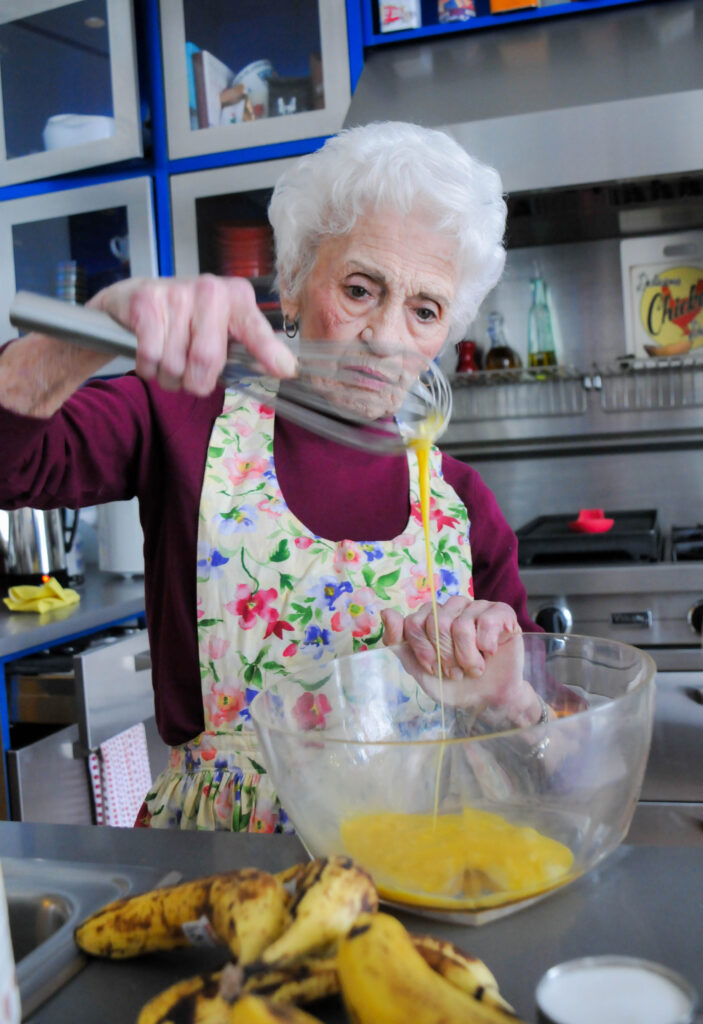
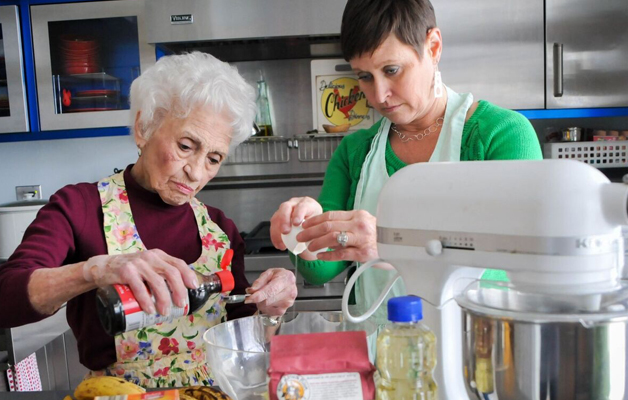
The aroma of baked goods can evoke cherished memories. Involve your loved one in easy, hands-on tasks like stirring batter, sprinkling sugar, or rolling dough. Opt for recipes with familiar flavors like cinnamon or vanilla to create a comforting sensory experience.

2. Arts and Crafts

Winter-themed crafts, such as decorating holiday cards, making paper snowflakes, or stringing beads, can help enhance motor skills and provide a sense of accomplishment. Focus on simple, low-pressure projects with minimal steps.

3. Indoor Gardening

Planting herbs or caring for small indoor plants is a soothing and rewarding hobby. Winter is a great time to start an indoor herb garden that can be enjoyed year-round.

4. Music and Singing

Music has a profound effect on individuals with dementia, often sparking memories and emotions. Sing along to favorite holiday tunes or play soothing instrumental music to brighten the day.

5. Puzzles and Games

Simple jigsaw puzzles with large pieces, memory card games, or sorting activities can provide cognitive stimulation. Choose activities that align with their abilities to ensure a positive and enjoyable experience.

6. Knitting or Crocheting

For those who have enjoyed knitting or crocheting in the past, these hobbies can provide both comfort and a sense of purpose. Use soft, colorful yarns for added sensory benefits.

7. Storytelling and Reminiscing

Winter evenings are perfect for cozy storytelling sessions. Bring out photo albums or discuss favorite winter memories. Reminiscing can spark meaningful conversations and strengthen connections.

8. Gentle Exercise

Simple indoor exercises like chair yoga, stretching, or a light dance session can help improve circulation and mood. Add a winter theme by mimicking snowflake movements or pretending to skate!

Tips for Success

  • Adapt Activities: Tailor hobbies to suit their current abilities and interests.
  • Create a Calm Environment: Minimize distractions and offer clear instructions.
  • Focus on the Process: Prioritize enjoyment over the final product.

Engaging in winter hobbies can bring warmth and happiness to seniors living with dementia, fostering connection and enriching their daily lives.