Category: News

Living Our Values: Advancing Dementia Care Through Education and Compassion

At NursePartners, being a Positive Approach to Care Designated Organization is not just a title. It is a daily commitment to learning, growing, and showing up differently for those living with dementia and the carepartners who support them.

We are proud to share that Freddie Johnson, the Clinical Service Coordinator and LPN, has officially achieved certification as a PAC Certified Independent Champion Teacher through Positive Approach to Care, founded by Teepa Snow. This accomplishment reflects not only Freddie’s dedication to his own professional growth, but also our organization’s continued investment in raising the standard of dementia care.

Throughout the certification process, Freddie demonstrated strong presentation skills, a deep understanding of dementia, and a consistent ability to connect learning back to purpose and meaning. Perhaps most importantly, he has shown a natural ability to recognize those powerful “aha” moments when learners begin to truly understand how to apply Positive Approach to Care techniques in real life.

This work is about more than education. It is about transformation. Freddie has embraced the responsibility of helping others see beyond tasks and symptoms, and instead focus on the person, their abilities, and the support they need in each moment.

As with all meaningful growth, the journey continues. Freddie is actively working to incorporate more hands on demonstrations, provide in the moment coaching, and expand access to practical resources for learners. His focus on follow up and ongoing support reflects an understanding that learning does not end when a training session does. It evolves through practice, reflection, and connection.

This milestone strengthens our ability to deliver care that aligns with the principles of Positive Approach to Care. It reinforces our belief that better care starts with better understanding. And it ensures that our team, our clients, and their families benefit from approaches that are respectful, evidence informed, and deeply human.

Freddie’s achievement is a reflection of who we are at NursePartners. We are committed to developing leaders who not only provide excellent care, but who also teach, mentor, and inspire others to do the same.

We look forward to the continued impact Freddie will make as he brings these skills into the homes and lives of those we serve.


Freddie Living Our Values: Advancing Dementia Care Through Education and Compassion

Strengthening Long-Term Care Through Strategic Staffing: The NursePartners + Teepa Snow PAC

In today’s long-term care environment, stability isn’t just a goal, it’s a necessity. Facilities are navigating workforce shortages, rising acuity, and increasing regulatory demands, all while striving to deliver person-centered care.

That’s where NursePartners PAC Designated Organization stands apart.

As an interim staffing agency dedicated exclusively to healthcare, NursePartners delivers flexible, dependable, and clinically strong professionals, while integrating the proven, person-centered care approach of Teepa Snow’s Positive Approach to Care® (PAC).

Why This Partnership Matters

Combining high-quality staffing with PAC methodology creates a powerful advantage for long-term care facilities.

✔ Person-Centered Care in Action
Teepa Snow’s PAC framework equips caregivers with practical techniques to support individuals living with dementia and cognitive change. Our clinicians are trained to meet residents where they are, reducing distress, improving engagement, and enhancing dignity.

✔ Improved Staff-Resident Interactions
PAC emphasizes communication, approach, and understanding behavior as communication. This leads to fewer escalations, more meaningful connections, and better overall outcomes.

✔ Consistency + Compassion
NursePartners doesn’t just fill shifts, we provide clinicians who understand how to deliver care with empathy, patience, and skill. The result is more consistent experiences for residents and families.

✔ Reduced Burnout & Stronger Teams
When staff feel equipped with the right tools and support, stress decreases and confidence grows. PAC-trained professionals contribute to a more positive, collaborative care environment.

✔ Regulatory & Quality Alignment
Person-centered dementia care is not just best practice, it’s increasingly expected. Integrating PAC principles supports compliance, survey readiness, and quality measures tied to resident experience.

A Smarter Approach to Interim Staffing

Facilities partnering with NursePartners gain:

  • Rapid, reliable staffing solutions
  • Clinicians aligned with your culture and care standards
  • A workforce trained in evidence-based dementia care approaches
  • Flexibility without compromising quality

The Bottom Line

When you combine NursePartners’ staffing expertise with Teepa Snow’s PAC philosophy, you don’t just maintain operations, you elevate care.

Because in long-term care, it’s not just about having enough staff.  It’s about having the right staff, with the right approach, at the right time.

📣 Call to Action for Directors of Nursing

If you’re looking to strengthen your team, improve dementia care outcomes, and reduce staff strain:

Connect with Christopher Callahan, Community Liaison to learn how your facility can align with NursePartners and receive a complimentary PAC workshop on-site.
9d020faa 8d0a 4392 adee 3faf4841c942 Strengthening Long-Term Care Through Strategic Staffing: The NursePartners + Teepa Snow PAC

📧 christopher@nursepartners.net
📞 610-323-9800 X109

Let’s build stronger, more compassionate care teams—together.

#NursePartners #PositiveApproachToCare #TeepaSnow #LongTermCare #DementiaCare #DirectorsOfNursing #HealthcareStaffing #SeniorCare #PAC

Recognizing Changes in Dementia and Adapting the Way We Care

Caring for a person living with dementia requires us to recognize change and adjust our approach in response. Dementia is progressive, but the way it presents is different for each individual. Families and caregivers are often the first to notice subtle shifts such as increased confusion, changes in communication, disrupted sleep, or behaviors that feel unfamiliar. These moments are important signals that it is time to adapt how we engage and provide care.

At NursePartners, we emphasize that behavior is a form of communication. When someone living with dementia appears resistant, anxious, or withdrawn, it is often a response to feeling overwhelmed or misunderstood. Rather than correcting or confronting, we shift our perspective and ask what the person may be trying to express. We consider what has changed in their abilities and how we can better support them.

This is where the Positive Approach to Care philosophy plays a critical role. It reminds us to focus on connection before task. We slow down, approach from the front, make eye contact, and use clear and supportive cues. Instead of offering multiple step directions, we simplify tasks into manageable parts. Rather than asking open ended questions, we provide gentle choices and visual guidance to reduce frustration.

As dementia progresses, communication becomes less about words and more about tone, body language, and emotional presence. A calm voice, relaxed posture, and reassuring touch can be more effective than explanation. When we adjust how we communicate, we help reduce distress and create a more supportive environment.

Recognizing change also allows us to anticipate needs. If dressing becomes difficult, we can lay out clothing in the order it should be put on. If mealtimes become confusing, we can simplify the setting and reduce distractions. These thoughtful adjustments help maintain dignity and independence.

It is equally important to be aware of our own reactions. Feelings of frustration or urgency can quickly escalate a situation. Taking a moment to pause allows us to respond with intention. In dementia care, success is not defined by speed or task completion. It is defined by connection, comfort, and trust.

Dementia changes how a person experiences the world. As caregivers, our role is to change with them. By recognizing these shifts and adapting our approach, we create an environment where individuals living with dementia can continue to feel safe, valued, and understood.

Supporting Older Adults in the Fall: Connecting Through Seasonal Activities

As the air cools and the leaves turn colors, autumn presents a beautiful opportunity to connect with older adults in meaningful, sensory-rich ways. For those receiving in-home support, this season offers moments of reflection, joy, and companionship. At NursePartners, a home care company specializing in dementia care, the fall season is more than just a time of transition, it is time to nurture comfort, creativity, and connection between carepartners and clients.

1. Walking Through Nature’s Colors

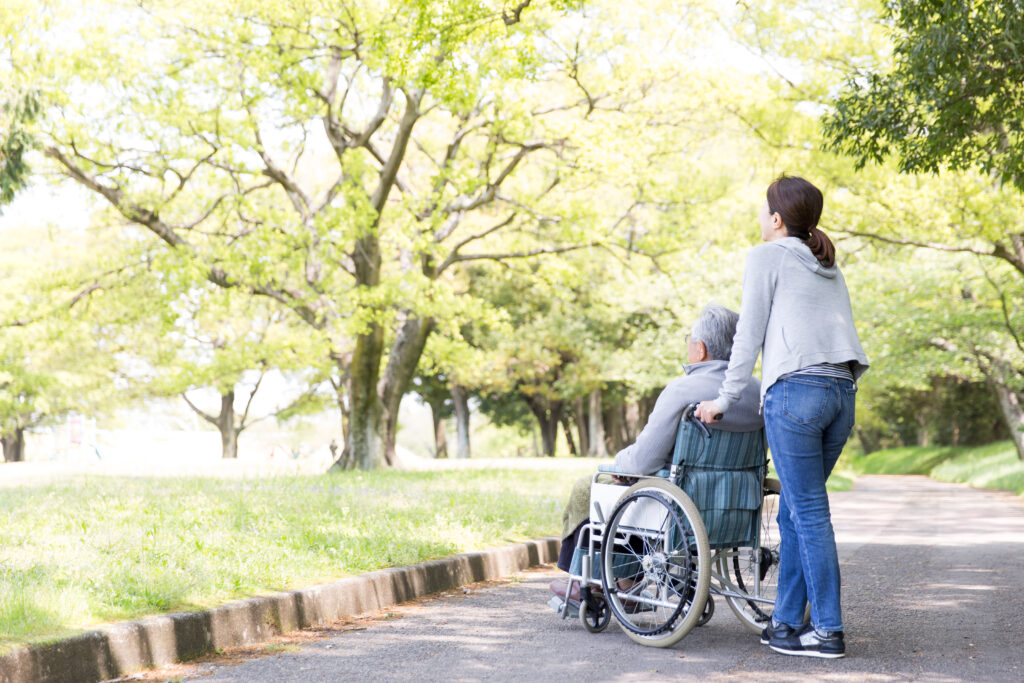
A simple stroll through a park or neighborhood filled with colorful leaves can stimulate the senses and spark conversation. At NursePartners, carepartners are trained to use the Positive Approach to Care™ model, meeting each individual where they are emotionally and cognitively. A walk becomes more than exercise, it becomes an opportunity for reminiscence and joy.

2. Decorating for the Season

Together, carepartners and clients can collect pinecones, leaves, or small pumpkins to create a cozy autumn display. This activity engages tactile senses and creativity, which can be particularly grounding for those living with dementia. NursePartners emphasizes individualized engagement, ensuring activities align with personal preferences and memories.

3. Baking Fall Treats

The smell of apple pie or pumpkin muffins baking can transport someone to fond memories of family gatherings. With the guidance of a carepartner, older adults can safely participate by stirring, seasoning, or setting the table. NursePartners’ team focuses on maintaining independence and dignity, supporting each client to do what they can for as long as they can.

4. Listening to Autumn Music

Music is a powerful tool in dementia care. Creating a playlist of favorite songs from the client’s youth or seasonal classics like “Autumn Leaves” can lift moods and calm anxieties. NursePartners’ carepartners often use music therapy techniques to promote emotional connection and reduce agitation.

5. Roasting Marshmallows Outdoors

Enjoying the crisp fall air while roasting marshmallows or sipping hot cider fosters companionship and warmth. Shared laughter and storytelling make these simple moments profoundly meaningful. This kind of one-on-one interaction is central to NursePartners’ mission of preserving emotional well-being.

ChatGPT Image Oct 24 2025 10 29 45 AM 1 Supporting Older Adults in the Fall: Connecting Through Seasonal Activities

6. Visiting a Farmers’ Market

A trip to a local market offers sensory experiences, fresh produce, seasonal scents, and lively interactions. NursePartners carepartners support such community-based activities that promote engagement and purpose, helping clients feel connected to their environment.

7. Creating a Gratitude Journal

Encouraging an older adult to share memories or note daily gratitudes can improve mood and provide insight into what brings them peace. Carepartners at NursePartners are trained to listen with empathy, turning journaling into a collaborative reflection rather than a task.

8. Doing Gentle Chair Exercises

Staying active in the cooler months helps maintain balance and strength. Carepartners can guide clients through simple seated stretches or slow movements that promote flexibility. NursePartners’ focus on safety and fall prevention ensures activities are accessible and supportive.

9. Making a Memory Collage

Gathering old photos, autumn cutouts, and positive affirmations to create a visual story helps older adults express identity and reconnect with their life narrative. In dementia care, these visual cues can strengthen personal connection and memory recall, core principles of NursePartners’ approach.

10. Hosting a Mini Harvest Celebration

A small celebration with seasonal snacks, soft music, and friendly conversation brings joy and structure to the day. Carepartners can help set the scene, ensuring a comfortable, inclusive atmosphere that reflects NursePartners’ philosophy of person-directed care.


Conclusion

Autumn’s gentle rhythm reminds us that aging, like the changing seasons, can be filled with beauty, purpose, and connection. By engaging in thoughtful activities with carepartners, older adults experience not only companionship but also dignity and joy. Through NursePartners’ specialized dementia care, these experiences are tailored to nurture the mind, body, and spirit, one moment at a time.
Want to learn more about NursePartners? Call us today at 610-323-9800.

Mitigating Fall Risks for Older Adults in Autumn

As the autumn season arrives, colorful leaves and crisp air also bring new challenges for older adults. Wet leaves, early darkness, and temperature shifts can increase the risk of falls, one of the most common causes of injury among seniors. Fortunately, non-medical home care services provide proactive ways to help older adults remain safe and independent throughout the season.

carepartner walking with a senior Mitigating Fall Risks for Older Adults in Autumn

Five Ways Home Care Can Help Reduce Fall Risks

  1. Environmental Safety Checks
    Caregivers can regularly inspect the home for fall hazards, including wet leaves tracked indoors, cluttered walkways, and uneven rugs. They ensure living spaces remain clear, safe, and well-lit.
  2. Support with Mobility
    Assistance with walking, transferring, or using mobility aids reduces the likelihood of slips and trips, especially when going outdoors on damp or leaf-covered surfaces.
  3. Encouraging Proper Footwear
    Care teams remind and assist older adults in choosing stable, season-appropriate shoes with non-slip soles, reducing fall risks inside and outside the home.
  4. Light Household Assistance
    Non-medical caregivers handle daily chores—like laundry, cooking, and leaf cleanup—that could otherwise pose a risk for falls if an older adult attempts them alone.
  5. Companionship and Monitoring
    Having a trusted caregiver nearby ensures someone is present to offer a steady hand and respond quickly if a fall occurs, providing both safety and peace of mind.

Why Choose NursePartners?

At NursePartners, we offer traditional home care and specialized dementia care services. Our goal is to provide consistent, dementia trained carepartners who truly understand the unique needs of older adults. Unlike many agencies, our team focuses on continuity of care, personalized care plans, and meaningful engagement that fosters independence while ensuring safety. We pride ourselves on building long-term relationships with clients and families, so care feels seamless and supportive.

If you or a loved one would benefit from fall prevention support and compassionate companionship this autumn, call NursePartners today at 610-323-9800 to learn more about our services.

Visual-Verbal-Touch Cuing and Why It’s Important

Teepa Snow’s team at Positive Approach to Care emphasizes the importance of visual, verbal, and touch cuing to communicate effectively with someone living with dementia. As someone progresses through the disease, we need to adjust our approach in an effort to “join their world”. Here are some helpful tips for how to do exactly that!

Diamond (Clear, Sharp, and Rigid – Early Stage Dementia)

Overall Approach: Respect autonomy, provide choices, and avoid being overly directive. They may resist help and want things “their way.”

  • Visual Cues:
    • Maintain eye level contact and good lighting so they can see your face clearly.
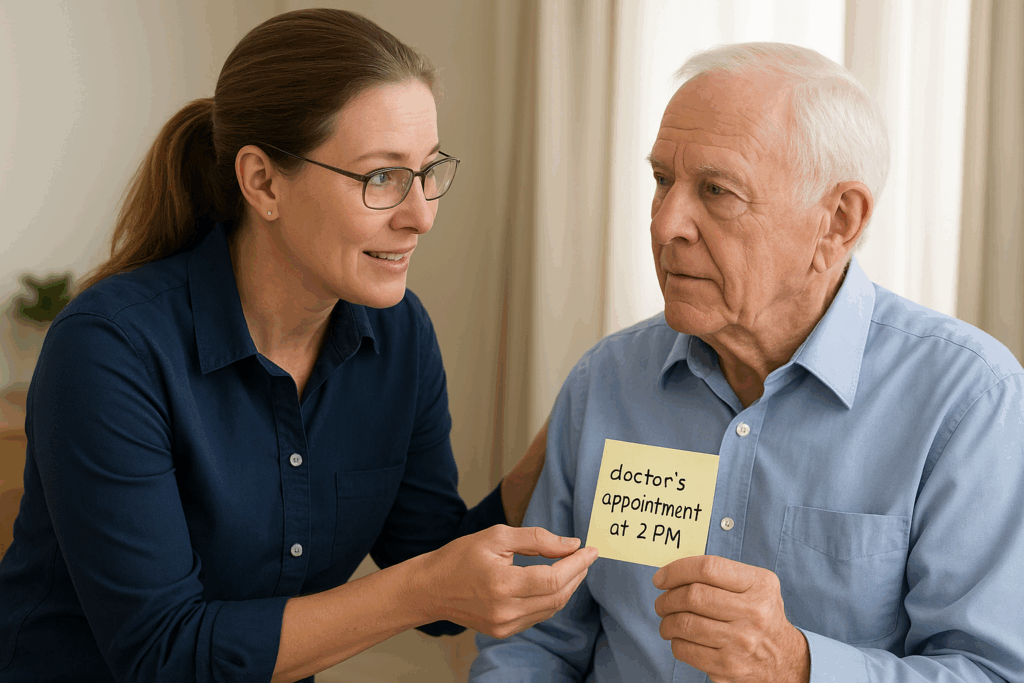
    • Offer written reminders (calendar, post-its) and visual choices (e.g., hold up two shirts).
    • Use a calm, open body posture to signal collaboration, not control.
  • Verbal Cues:
    • Use respectful, adult language — avoid “elderspeak.”
    • Provide clear, brief explanations (“We’re going to your doctor appointment at 2 PM.”).
    • Validate emotions before redirecting (“I hear you don’t want to take your pills — can we do it after breakfast?”).
  • Touch Cues:
    • Light, respectful touches (on the hand or forearm) after asking permission.
    • Handshakes, pats on the shoulder, or supportive arm-in-arm when walking.
    • Avoid startling them — always approach from the front.
shirt choices Visual-Verbal-Touch Cuing and Why It's Important

Emerald (Green, On the Go – Moderate Stage Dementia)

Overall Approach: Provide guidance and structure, as they may get lost in time or place and resist care due to fear or misunderstanding.

  • Visual Cues:
    • Approach from the front, enter their visual field slowly.
    • Use gestures to demonstrate (“Like this!”) when giving instructions.
    • Offer fewer choices (just two options at a time).
  • Verbal Cues:
    • Speak slowly, use short sentences (“Let’s eat lunch now.”).
    • Pair words with action (“Here’s your shirt” while holding it up).
    • Use reassurance phrases (“You’re safe,” “I’ll stay with you”).
  • Touch Cues:
    • Use the Hand-under-Hand™ technique to invite participation.
    • Gentle guiding touch to initiate movement (e.g., toward the bathroom).
    • Pair touch with visual/verbal cue to prevent surprise.

Amber (Caught in a Moment – Mid to Late Stage Dementia)

Overall Approach: Meet sensory needs, keep interactions simple, and reduce overstimulation. Focus on comfort and safety.

  • Visual Cues:
    • Present objects one at a time, within their visual field.
    • Use bright colors to attract attention to items they need (e.g., utensils).
    • Minimize background clutter and movement to reduce distraction.
  • Verbal Cues:
    • Use rhythmic, soothing tones — fewer words, more melody.
    • Avoid complex questions; use yes/no or this/that choices.
    • Narrate actions gently (“Warm washcloth on your face now”).
  • Touch Cues:
    • Use slow, firm, reassuring touch — not too light (can startle).
    • Offer comfort with gentle hand-holding, shoulder rubs.
    • Guide movements by starting the action with your own body (they may mirror you).

Ruby (Deep and Strong – Late Stage Dementia)

Overall Approach: Support mobility and comfort; communication is mostly sensory and rhythm-based.

  • Visual Cues:
    • Position yourself in their line of sight — come close enough for them to focus.
    • Use facial expressions and exaggerated, slow gestures.
    • Keep environment simple and well-lit to prevent visual misinterpretation.
  • Verbal Cues:
    • Speak slowly and warmly, use familiar phrases or songs.
    • Pair words with rhythm (singing, chanting) to encourage engagement.
    • Avoid correcting — go along with their reality to reduce stress.
  • Touch Cues:
    • Maintain constant contact when providing care — it helps them stay calm.
    • Use hand-under-hand to stabilize and reassure.
    • Offer gentle massage or pressure to reduce stiffness.

Pearl (Hidden Within – End of Life Stage)

Overall Approach: Prioritize comfort, dignity, and sensory connection. Communication is primarily through touch and presence.

  • Visual Cues:
    • Keep lighting soft and gentle; maintain a calm visual environment.
    • Your facial expressions matter most — convey warmth and safety.
    • Slow, smooth movements so they can track you visually.
  • Verbal Cues:
    • Speak in soft, soothing tones even if they cannot respond.
    • Use familiar prayers, songs, or comforting sounds.
    • Narrate gently what you are doing to maintain connection.
  • Touch Cues:
    • Gentle, consistent touch — hold hands, stroke arm slowly.
    • Use warm hands; cold touch can startle.
    • Prioritize comfort touch over task touch — the goal is connection, not correction.
doctor apt Visual-Verbal-Touch Cuing and Why It's Important

Spring Activities for Seniors: Embracing the Season of Renewal

As the chill of winter fades and nature begins to bloom, spring offers a perfect opportunity for seniors to get outside, stay active, and enjoy the season’s gentle warmth. Engaging in springtime activities not only lifts the spirit but also promotes physical and mental well-being. Here are some enjoyable and safe ways for seniors to embrace the beauty of spring:

Senior Bird Watching Spring Activities for Seniors: Embracing the Season of Renewal

1. Gardening Therapy
Whether it’s tending to a backyard garden or planting flowers in containers, gardening is a rewarding way to stay active. It provides light exercise, reduces stress, and offers the joy of nurturing life.

2. Nature Walks
Strolling through a local park or garden lets seniors soak up sunshine and fresh air. It’s a great way to improve cardiovascular health and stay connected to the rhythms of nature.

3. Outdoor Social Time
Spring is ideal for safe outdoor gatherings. Picnics, tea on the patio, or book clubs in the park are wonderful ways to socialize while enjoying the scenery.

4. Birdwatching
Birdwatching can be a peaceful and engaging hobby. With a pair of binoculars and a simple guidebook, seniors can enjoy spotting local bird species returning for the season.

5. Creative Pursuits in the Sunshine
Painting, photography, or writing poetry outdoors can be both relaxing and inspiring. Spring’s colors and sounds offer fresh material for artistic expression.

By encouraging seniors to participate in these seasonal activities, we support a healthier, happier lifestyle. Spring is a time of renewal—for nature and for us all.

Three Spring Activities for Older Adults with Mobility Restrictions

Spring is a wonderful time to engage older adults in meaningful activities. Although mobility restrictions might make this more difficult, do not like them prevent you from enjoying one of the following activities!

1. Sensory Garden Experience

A full day of gardening may not be possible, but that doesn’t mean an older adult cannot enjoy the sights, smells, and textures of spring plants. Set up a small table garden with potted flowers, herbs, or succulents that can be touched and smelled. If they are unable to reach or handle the plants, bring cut flowers or fragrant herbs like lavender and mint close so they can enjoy them passively.

Adaptation: If going outside is difficult, bring nature indoors by placing fresh flowers or a small potted plant near their favorite seat. You can also play nature sounds or show videos of gardens in bloom to create an immersive experience.

2. Springtime Arts and Crafts

Creating art is a great way to celebrate the season without requiring much physical exertion. Options like flower pressing, painting spring scenes, or making simple wreaths with artificial flowers allow older adults to engage their creativity.

Adaptation: Choose tools that accommodate their needs, such as wide-handled brushes, pre-cut materials, or textured paper for sensory stimulation. If hand mobility is extremely limited, they can help choose colors, direct placement of decorations, or simply enjoy the process as a companion guides the activity.

3. Virtual Spring Outings

If outdoor walks or garden visits are not possible, technology offers the next best thing. Many parks, botanical gardens, and wildlife centers offer virtual tours where seniors can experience the beauty of spring from the comfort of their home. Pair the tour with light spring scents like a diffuser with floral essential oils or serve a cup of herbal tea to engage multiple senses.

Adaptation: If using a tablet or computer is challenging, a caregiver or loved one can set up the experience on a larger screen and adjust the volume for their comfort. Additionally, looking through personal springtime photos or reminiscing about past outdoor adventures can be just as meaningful.

Spring is a season of renewal, and with thoughtful adjustments, older adults with severe mobility restrictions can still embrace its beauty in ways that bring them joy. The key is focusing on what they can enjoy, making the most of their senses, creativity, and memories.

Five Spring Activities for Carepartners and Older Adults

planting strawberries Five Spring Activities for Carepartners and Older Adults

Spring brings warmer weather, fresh air, and blooming flowers—making it the perfect time for carepartners to engage older adults in enjoyable and meaningful activities. Spending time outdoors and embracing the season can enhance well-being, boost mood, and promote social interaction. Here are five springtime activities to enjoy together:

1. Take a Nature Walk
A gentle walk in a local park or garden allows older adults to soak in the beauty of spring. Walking encourages movement, which supports joint health and circulation, while fresh air and sunshine provide a natural mood boost. Carepartners can enhance the experience by pointing out budding flowers, listening to birdsongs, and reminiscing about past springs. For those with mobility challenges, even a short stroll or sitting outside in a scenic spot can be refreshing.

2. Start a Container Garden
Gardening is a wonderful way to connect with nature and experience the satisfaction of nurturing plants. Even for those who may not have access to a large garden, container gardening offers an easy alternative. Carepartners can help older adults plant herbs, flowers, or vegetables in small pots or raised beds. Tending to plants provides a sense of purpose, engages the senses, and can even lead to delicious homegrown herbs for cooking.

3. Enjoy an Outdoor Picnic
Eating a meal outside can be a simple yet delightful way to celebrate spring. Carepartners can prepare a picnic with favorite snacks, finger foods, and refreshing drinks, then find a comfortable spot at a park, backyard, or even a patio. Fresh air, sunshine, and a shared meal can spark conversation and bring joy. To make it even more special, consider bringing a cozy blanket, playing soft music, or reading a favorite book aloud while enjoying the outdoors.

4. Engage in Springtime Crafts
Seasonal arts and crafts provide a creative and relaxing way for older adults to express themselves. Carepartners can help with activities such as decorating flower pots, painting birdhouses, or making simple floral arrangements. Crafting supports cognitive function and fine motor skills while offering a chance to reminisce and share stories. These projects can also make wonderful gifts for loved ones or cheerful decorations to brighten up living spaces.

5. Visit a Farmer’s Market
A trip to a local farmer’s market is an enjoyable outing that engages the senses. Older adults can explore fresh produce, homemade goods, and seasonal flowers while enjoying light social interaction. Carepartners can encourage trying new fruits and vegetables, sharing recipe ideas, or simply enjoying the vibrant atmosphere. This outing can be both entertaining and a way to incorporate fresh, nutritious foods into meals at home.

Spring is a season of renewal, and these activities help carepartners and older adults embrace the beauty of the moment while promoting physical, emotional, and social well-being. By spending quality time together, carepartners create meaningful experiences that enrich the lives of those they support.

Are you looking to build a care team to support an older adult in your life? Call us today to learn more about how we connect before providing care. 610-323-9800.

Minimizing Fall Risks for Older Adults Living at Home

Falls are one of the most serious health risks for older adults, often leading to severe injuries, hospitalizations, and even long-term disability. According to the CDC, falls result in over 3 million emergency room visits annually among seniors, with medical costs exceeding $50 billion each year. Beyond the financial burden, a fall can drastically impact an older adult’s mobility, independence, and overall well-being.

The Cost of a Fall

For seniors, a single fall can lead to significant medical expenses, including hospital stays, surgeries, rehabilitation, and ongoing care. Many older adults are on fixed incomes, making these unexpected costs even more challenging to manage. Additionally, the physical and emotional toll can be devastating—hip fractures, traumatic brain injuries, and a loss of confidence often lead to decreased activity, social isolation, and an increased need for caregiving support.

How Home Care Helps Reduce Fall Risks

A proactive approach to fall prevention is essential, and home care services can play a critical role in keeping seniors safe while reducing long-term healthcare costs. Professional caregivers assist with:

  • Home Safety Assessments: Identifying tripping hazards, improving lighting, and recommending necessary modifications such as grab bars and non-slip mats.
  • Mobility Assistance: Helping seniors move safely around the home, navigate stairs, and transfer from beds or chairs without strain.
  • Exercise & Strength Training: Encouraging gentle movement and balance exercises to maintain mobility and coordination.
  • Medication Management: Ensuring seniors take medications as prescribed, avoiding side effects like dizziness or low blood pressure that increase fall risk.
  • Daily Living Support: Assisting with household tasks, meal preparation, and personal care to reduce the likelihood of fatigue-related falls.

Long-Term Cost Savings of Fall Prevention

Investing in home care services can help prevent expensive medical treatments and long-term care costs associated with falls. By addressing risks before an accident occurs, families can avoid the financial strain of hospitalizations, rehabilitation, and potential nursing home placement. More importantly, proactive fall prevention helps seniors maintain independence and a higher quality of life in their own homes.

If you or a loved one are concerned about fall risks, home care services can provide the support needed to create a safer living environment. A small investment in fall prevention today can lead to significant savings and a healthier, more confident future.

Call us today to learn more about how NursePartners can support your loved one in the comfort of their homes: 610-323-9800.

04.18.16 Danielle and Pat placing magnets Minimizing Fall Risks for Older Adults Living at Home