Tag: senior care

Transforming Dementia Care: Positive Approach to Care Workshops for Your Team

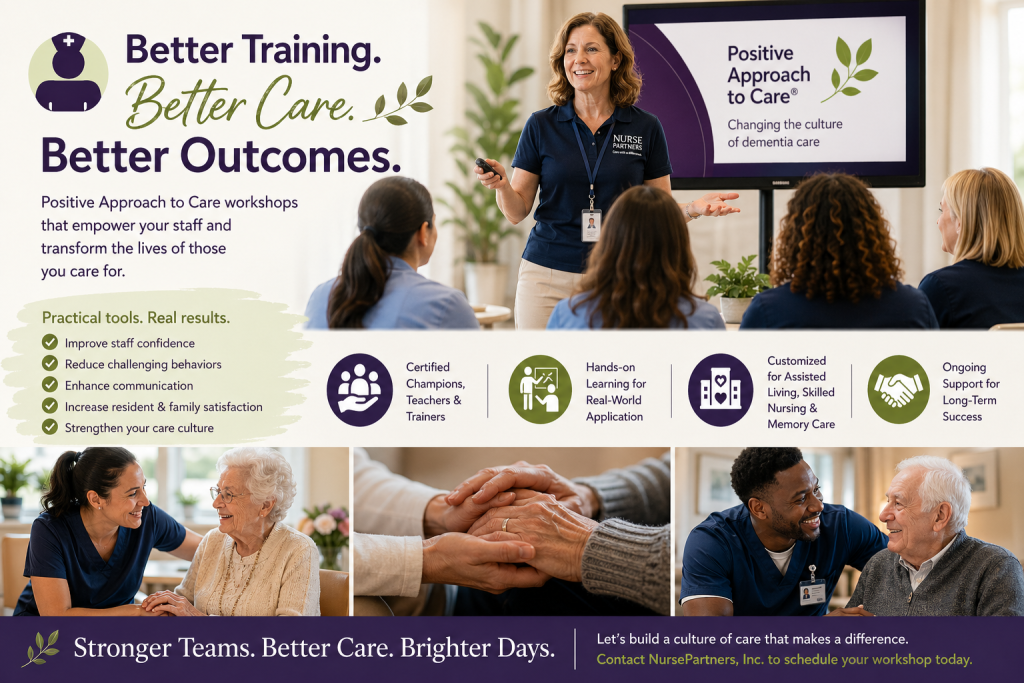
Delivering exceptional dementia care requires more than staffing. It requires the right training, the right mindset, and a consistent approach across your entire team. At NursePartners, we partner with assisted living communities, skilled nursing facilities, and memory care units to elevate care through hands on, practical training rooted in proven methodology.

The Positive Approach to Care workshops, as taught by Teepa Snow and her team, are designed to empower your staff, improve resident outcomes, and create a more confident, capable care environment.

Why Facilities Choose Positive Approach to Care Training

Caring for individuals living with dementia presents unique challenges. Staff may feel overwhelmed, communication can break down, and behaviors can escalate without the right tools in place.

Our workshops, based on the work of Teepa Snow, provide your team with practical strategies they can use immediately.

Facilities that invest in this training often see:

  • Improved staff confidence and retention
  • Reduced behavioral incidents and escalations
  • Stronger communication between staff and residents
  • Higher satisfaction for residents and families
  • More consistent care delivery across shifts

This is not theory. It is actionable training that transforms daily care.


What Makes Our Workshops Different

At NursePartners, we do more than present information. We create engaging, interactive learning experiences that stick.

Certified Experts On Site

We send Positive Approach to Care certified champions, teachers, and trainers directly to your facility. Your team learns from professionals who specialize in dementia care and understand real world challenges.

Hands On Learning

Our workshops include live demonstrations, role playing, and real life scenarios. Staff do not just hear the material. They practice it in a supportive environment.

Immediate Application

Every technique is designed to be used on the floor right away. From approach and communication to redirection and personal care, your staff will leave with tools they can apply on their next shift.

Customized for Your Facility

We tailor each workshop to your environment, your residents, and your team. Whether you operate assisted living, skilled nursing, or a dedicated memory care unit, the training is relevant and specific to your needs.


Building a Stronger Care Culture

The true impact of Positive Approach to Care goes beyond individual interactions. It creates a shared language and approach across your entire organization.

When your staff is aligned:

  • Care becomes more consistent
  • Team communication improves
  • Stress and burnout are reduced
  • Residents experience more positive, supportive interactions

This shift leads to a stronger culture of care that families notice and trust.


Ongoing Support That Sets You Apart

Our partnership does not end when the workshop is complete. NursePartners, Inc. can continue to support your team through:

  • Advanced training sessions
  • Refresher workshops
  • On site coaching and guidance
  • Access to additional dementia care resources

We help you sustain and build on the progress your team makes.


Elevate Your Standard of Care

In today’s environment, quality of care is a key differentiator. Facilities that invest in staff training are better positioned to deliver exceptional experiences and stand out in a competitive market.

With Positive Approach to Care workshops from NursePartners, Inc., you are not just training your staff. You are transforming how care is delivered.

If you are ready to strengthen your team, improve resident outcomes, and build a more confident care environment, we are here to help.

Contact us today to schedule a workshop and bring the Positive Approach to Care into your facility, 610-323-9800.
Spring Into Connection: Meaningful Activities for Older Adults Living with Dementia

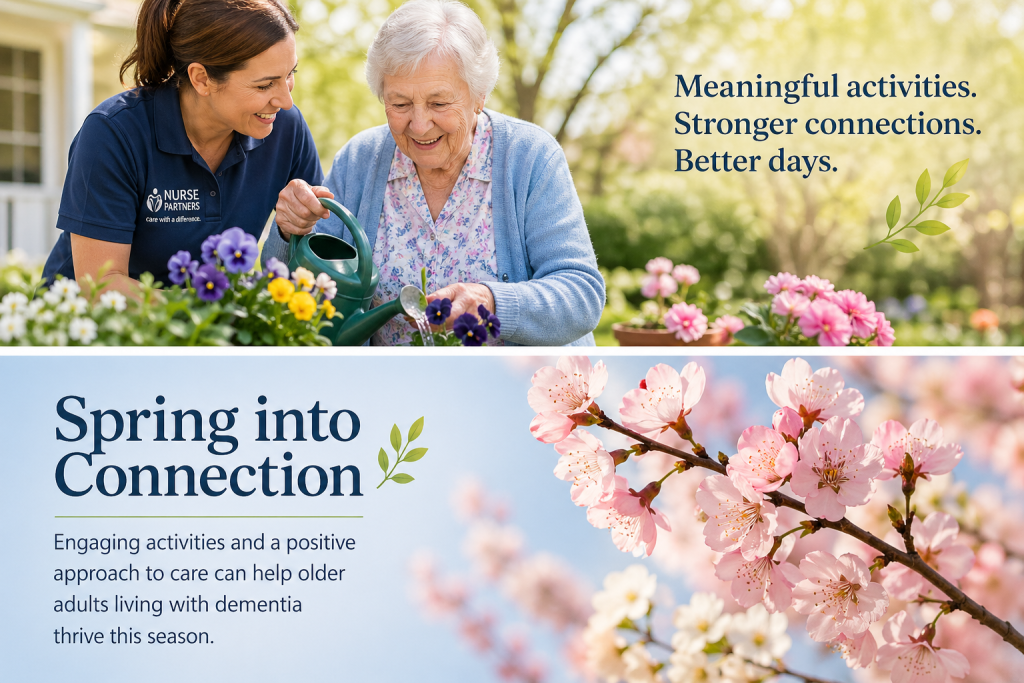
As spring arrives, it brings renewed energy, warmer days, and more opportunities to connect. For older adults living with dementia, this season offers a meaningful chance to engage in ways that support well-being, spark joy, and strengthen relationships. At NursePartners,, our focus is always on creating purposeful experiences that meet each individual where they are.

We believe great care is not just about meeting needs. It is about creating moments of connection that enhance quality of life.

A Positive Approach to Care

Our care philosophy is rooted in the Positive Approach to Care, developed by Teepa Snow. This approach focuses on ability rather than loss. Instead of asking what someone can no longer do, we focus on what they can still accomplish and enjoy.

This mindset allows our caregivers to:

  • Build trust through supportive and respectful interactions
  • Adapt activities to match each person’s abilities
  • Create success driven experiences that reduce frustration
  • Foster dignity, independence, and purpose
  • Every interaction becomes an opportunity to connect.

Spring Activities That Create Meaningful Moments
Spring provides a natural setting for engagement. With the right support, even simple activities can become powerful experiences.

Enjoying the Outdoors

Fresh air and sunshine can have a calming and uplifting effect. Whether it is a short walk, sitting on a patio, or enjoying a garden, being outside stimulates the senses and encourages relaxation. Our caregivers focus on the experience itself, helping clients feel safe, present, and connected.

Gardening with Purpose

Gardening offers both physical and emotional benefits. Simple tasks like watering plants, arranging flowers, or planting seeds provide a sense of accomplishment. These familiar activities can reconnect individuals to past routines and create a feeling of contribution.


Reminiscing and Conversation

Spring often brings back memories of family gatherings, holidays, and time spent outdoors. Looking through photos or sharing stories helps clients reconnect with their identity. Our caregivers guide these conversations in a way that promotes comfort and positive emotion.


Music and Gentle Movement

Music remains one of the most powerful tools in dementia care. Listening to familiar songs or encouraging light movement can improve mood and increase engagement. Each experience is tailored to the individual’s preferences and energy level.


Daily Tasks with Meaning

Everyday activities such as folding laundry or setting the table can provide structure and purpose. These moments are not about completing a task perfectly. They are about helping clients feel involved, capable, and valued.


Creative Expression

Spring inspired arts and crafts allow for creativity without pressure. Painting, coloring, or simple hands on projects encourage self expression and engagement at any ability level.

Care That Adapts to the Individual

At NursePartners, we understand that no two individuals experience dementia the same way. That is why our care plans are personalized and flexible.

Our caregivers are trained to:

  • Adjust activities in real time based on ability and mood
  • Provide just the right level of support
  • Recognize cues and respond with empathy and skill
  • Create a balance between engagement and rest

This approach leads to more positive outcomes and a higher quality of life.

More Than Care. A True Partnership.

Spring is a season of renewal, but meaningful engagement should be part of every day. Through our commitment to the Positive Approach to Care, we help families feel confident that their loved ones are supported, understood, and genuinely cared for.

At NursePartners, we do more than provide care. We create connection, purpose, and peace of mind for the families we serve.

If you are looking for compassionate, skilled support for a loved one living with dementia, our team is here to help you every step of the way.  Call us today at 610-323-9800.


ChatGPT Image Apr 27 2026 08 22 12 AM Spring Into Connection: Meaningful Activities for Older Adults Living with Dementia

Spring Activities for Seniors: Embracing the Season of Renewal

As the chill of winter fades and nature begins to bloom, spring offers a perfect opportunity for seniors to get outside, stay active, and enjoy the season’s gentle warmth. Engaging in springtime activities not only lifts the spirit but also promotes physical and mental well-being. Here are some enjoyable and safe ways for seniors to embrace the beauty of spring:

Senior Bird Watching Spring Activities for Seniors: Embracing the Season of Renewal

1. Gardening Therapy
Whether it’s tending to a backyard garden or planting flowers in containers, gardening is a rewarding way to stay active. It provides light exercise, reduces stress, and offers the joy of nurturing life.

2. Nature Walks
Strolling through a local park or garden lets seniors soak up sunshine and fresh air. It’s a great way to improve cardiovascular health and stay connected to the rhythms of nature.

3. Outdoor Social Time
Spring is ideal for safe outdoor gatherings. Picnics, tea on the patio, or book clubs in the park are wonderful ways to socialize while enjoying the scenery.

4. Birdwatching
Birdwatching can be a peaceful and engaging hobby. With a pair of binoculars and a simple guidebook, seniors can enjoy spotting local bird species returning for the season.

5. Creative Pursuits in the Sunshine
Painting, photography, or writing poetry outdoors can be both relaxing and inspiring. Spring’s colors and sounds offer fresh material for artistic expression.

By encouraging seniors to participate in these seasonal activities, we support a healthier, happier lifestyle. Spring is a time of renewal—for nature and for us all.

The Advantage of Early Preparation when Receiving an Alzheimer’s Diagnosis

Receiving an early diagnosis of Alzheimer’s disease can be both overwhelming and empowering. While the initial reaction often includes fear and uncertainty, early diagnosis also opens the door to proactive planning. One of the most critical steps in this journey is preparing for case management, a structured approach to navigating the complexities of the disease.

Why Case Management Matters

Alzheimer’s is a progressive condition that impacts memory, thinking, and behavior over time. Each stage brings unique challenges, from managing medications and healthcare appointments to addressing safety concerns and financial planning. Case management provides a roadmap to anticipate and tackle these challenges effectively, ensuring continuity of care and enhancing quality of life for both the individual and their caregivers.

Benefits of Early Case Management

  1. Personalized Care Plans: Case managers assess the individual’s needs, preferences, and lifestyle to develop a tailored plan. This personalized approach ensures that the care aligns with the person’s values and goals.
  2. Resource Navigation: Alzheimer’s care often involves a variety of professionals, from neurologists to social workers. A case manager serves as a central point of coordination, helping families access community resources, support groups, and specialized services.
  3. Crisis Prevention: By addressing potential issues early—such as home safety or legal matters like power of attorney—case management reduces the likelihood of crises that can disrupt care.
  4. Caregiver Support: Alzheimer’s not only affects the person diagnosed but also places significant emotional and physical demands on caregivers. Case managers provide education, counseling, and respite care options to support the caregiving journey.

Taking the First Steps

If you or a loved one has been diagnosed with Alzheimer’s, consider consulting with a professional case manager early in the process. Begin by:

  • Assembling a Care Team: Engage healthcare providers, family members, and a case manager to establish a supportive network.
  • Discussing Long-Term Goals: Conversations about care preferences, living arrangements, and financial planning can help ensure decisions reflect the individual’s wishes.
  • Exploring Resources: Reach out to local Alzheimer’s associations, elder care organizations, and legal advisors to understand your options.

Conclusion

While an Alzheimer’s diagnosis is life-changing, early preparation for case management offers a path to navigate the challenges ahead with confidence and dignity. By planning proactively, individuals and families can focus on creating meaningful moments and maintaining quality of life throughout the journey.

early onset dementia The Advantage of Early Preparation when Receiving an Alzheimer’s Diagnosis

Common Myths About Non-Medical Home Care

Non-medical home care services are a valuable resource for families looking to support loved ones who want to age in place or recover at home. However, misconceptions about this type of care can deter people from exploring these options. Let’s debunk some of the most common myths about non-medical home care.

Myth 1: Non-Medical Home Care Is Only for the Elderly

While many clients are seniors, non-medical home care is not limited to older adults. These services can also benefit individuals recovering from surgery, managing chronic illnesses, or living with disabilities. Home care offers support for people of all ages who need assistance with daily living tasks.

Myth 2: It’s Only for People Who Are Seriously Ill

Non-medical home care is not solely for those with severe health conditions. Many individuals who are relatively healthy but need help with household chores, meal preparation, transportation, or companionship find these services invaluable. It’s about improving quality of life, not just addressing medical needs.

Myth 3: Family Caregivers Don’t Need Outside Help

Family caregivers often take on tremendous responsibilities, which can lead to burnout. Non-medical home care provides respite for family members, giving them time to recharge or focus on other obligations while ensuring their loved ones receive compassionate, professional assistance.

Myth 4: Non-Medical Home Care Isn’t Affordable

Non-medical home care is often more affordable than people realize, especially when compared to the costs of assisted living or nursing facilities. Many agencies also offer flexible plans tailored to fit individual budgets and needs.

Myth 5: Caregivers Are Not Qualified Professionals

Professional caregivers undergo thorough state certified training, background checks, and ongoing education to provide high-quality, personalized care. NursePartners staff is also specifically trained in dementia care, ensuring clients receive expert assistance. This training is applicable even for those not living with dementia.

Conclusion

Non-medical home care can be a flexible, affordable, and effective way to support individuals who wish to maintain independence at home. By addressing these myths, we can encourage more families to consider how these services can enhance the well-being of their loved ones.

If you’re considering non-medical home care for yourself or a loved one, we would love to hear from you: 610-323-9800 !

home care nurse taking blood pressure reading

10 Engaging Holiday Activities for Seniors Living with Dementia

The holiday season is a special time to create meaningful moments with loved ones, including seniors living with dementia. Engaging in activities tailored to their abilities can foster joy, reduce anxiety, and strengthen connections. Here are ten activities to consider:

  1. Holiday Music Sing-Alongs
    Music has a unique ability to evoke memories. Play familiar holiday songs and encourage singing along. Keep it simple with classics that resonate with the senior’s past.
  2. Decorating Together
    Involve seniors in decorating the home or their personal space. They can hang ornaments, string garlands, or arrange holiday-themed decorations. Provide tasks suited to their dexterity and cognitive level.
  3. Baking Holiday Treats
    Engage them in baking cookies or preparing simple holiday treats. Tasks like stirring, rolling dough, or decorating cookies can be fun and sensory-rich experiences.
  4. Creating Holiday Cards
    Crafting homemade cards allows seniors to express themselves creatively. Provide pre-cut materials, stamps, or stickers to make the process easy and enjoyable.
  5. Reminiscing Over Old Photos
    Bring out old family holiday photos and share stories. This activity can spark positive memories and provide an opportunity for connection.
  6. Watching Classic Holiday Movies
    Choose lighthearted, familiar holiday films or TV specials. Watching together creates a cozy atmosphere and can bring comfort.
  7. Sensory Activities
    Incorporate sensory-rich activities, such as arranging holiday-scented candles, touching soft decorations, or smelling spices like cinnamon and nutmeg. These experiences can evoke pleasant emotions.
  8. Holiday-Themed Puzzles
    Large-piece puzzles or simple holiday-themed games like matching cards are excellent for maintaining focus and providing entertainment.
  9. Hosting a Small Holiday Tea or Cocoa Party
    Organize a quiet, intimate gathering with seasonal beverages and soft holiday music. This offers social interaction without overwhelming stimulation.
  10. Walking Through Festive Lights
    Take a leisurely stroll or drive through areas with holiday lights. The colorful displays can be mesmerizing and uplifting.

When planning these activities, always prioritize the senior’s comfort and preferences. Keep the environment calm and avoid overstimulation. By focusing on what brings them joy, you can create holiday moments they’ll cherish.

NursePartners has supported thousands of older adults in the Philadelphia area. We know that in order to provide care, we first have to connect. This enables us to build trusting relationships and are conducive to providing good care.

If you would like to learn more about home care or GEM (dementia) care services, call us today: 610-323-9800.

Helping Older Adults Bathe, Using the Positive Approach to Care

Teepa Snow, a renowned dementia care expert, developed the Positive Approach to Care (“PAC”) to provide compassionate and effective caregiving strategies, especially for those living with dementia. Bathing is often a challenging task for older adults, particularly those with memory or cognitive impairments, but Teepa’s approach offers valuable insights to make this experience more comfortable and respectful.

Key Principles for Bathing:

  1. Create a Positive Environment: Teepa emphasizes the importance of setting the right mood before bathing. The environment should be calm, well-lit, and warm, reducing sensory overload that may trigger anxiety. Avoid rushing, as this can create unnecessary stress.
  2. Use Hand-under-Hand® Technique: This method involves placing your hand underneath the older adult’s hand, helping guide them through the bathing process while preserving their sense of control. It fosters a sense of connection and reduces resistance by making the person feel they are part of the process, not just the recipient of care.
  3. Focus on Comfort and Safety: Teepa advises caregivers to always prioritize the person’s comfort. Ensure the water temperature is appropriate, and consider using a washcloth for sensitive areas instead of directly using the showerhead, which can be startling. Providing towels for warmth and maintaining privacy also help the older adult feel secure.
  4. Be Mindful of Language and Approach: Teepa recommends approaching from the front, making eye contact, and using a soft, reassuring tone. Avoid giving too many instructions at once, as this can confuse or overwhelm the person. Instead, guide them step-by-step and use visual cues to help them understand the process.
  5. Adapt to Their Abilities: If the older adult can participate, encourage them to do what they can, such as washing certain parts of their body. This involvement can help preserve dignity and foster independence.

Conclusion:

By following Teepa Snow’s Positive Approach to Care, caregivers can transform the often challenging task of bathing into a more comfortable, cooperative, and dignified experience for older adults. Her focus on empathy, communication, and person-centered care ensures that the needs and feelings of those being cared for are always respected.

When is it time for home care?

A Professional, Non-Medical Home Care Company Can Help

As people age or face chronic health conditions, they need assistance with daily tasks. This can be done while they age at home, as independently as possible. Non-medical home care companies provide support for everyday activities like bathing, meal preparation, social engagement, and housekeeping.

What is Non-Medical Home Care?

Non-medical home care helps with activities like personal hygiene, cooking, light housekeeping, mobility assistance, and companionship. Caregivers focus on assisting with daily living while allowing individuals to stay in their own homes, wherever home may be.

When to Consider Non-Medical Home Care

Here are some signs it might be time to employ a non-medical home care service:

  • Difficulty with Daily Activities: When tasks like bathing, dressing, or eating become difficult, non-medical caregivers can help.
  • Chronic and Progressive Conditions: Those with conditions like arthritis, COPD, or dementia may need help keeping a routine.
  • Post-Surgery Recovery: After surgery, people might need support with daily tasks while they regain strength.
  • Caregiver Burnout: If family members are overwhelmed by caregiving duties, non-medical services offer respite.
  • Social Isolation: Non-medical caregivers provide companionship for individuals who may feel lonely.
  • Household Management Issues: Difficulty with cleaning or cooking is another reason to seek assistance.

Benefits of Non-Medical Home Care

  • Personalized Care: Services are tailored to individual needs.
  • Cost-Effective: Home care is often more affordable than assisted living.
  • Independence: Caregivers help people remain in their homes.
  • Support for Families: Caregivers ease the burden on family members.

Choosing a Provider

When selecting a non-medical home care company, consider their reputation, the qualifications of caregivers, the flexibility of services, and transparent pricing.

In summary, non-medical home care is an excellent option for those who need help with daily activities but want to stay independent. Recognizing the right time to seek this support ensures a safer, higher quality of life.

Want to learn more? Call us today at 610-323-9800.

Understanding Extreme Symptoms of Lewy Body Dementia

Introduction

Lewy Body Dementia (LBD) is a progressive neurological disorder caused by the buildup of abnormal protein deposits (Lewy bodies) in the brain. This results in both cognitive and motor impairments, which worsen over time. Here, we’ll explore some of the extreme symptoms that can emerge as the disease progresses.


1. Severe Hallucinations and Delusions

A hallmark of LBD is vivid visual hallucinations, often involving people, animals, or objects. Over time, these hallucinations become more frequent and intense. Patients may also experience delusions, like Capgras syndrome, where they believe their loved ones are impostors. These false beliefs can cause paranoia, fear, and mistrust, making caregiving especially difficult.


2. Cognitive Fluctuations

Cognitive function in LBD patients can fluctuate dramatically, even within a single day. Patients may switch between near-normal cognition and extreme confusion. During severe episodes, individuals may not recognize familiar people or become completely unresponsive, leading to significant distress for both the patient and their caregivers.


3. Severe Parkinsonism and Mobility Issues

LBD often causes Parkinson’s-like motor symptoms, including tremors, stiffness, and slowness of movement. In advanced stages, these symptoms worsen, leading to severe mobility impairment. Many patients eventually become bedridden, needing full assistance with daily tasks. The risk of falls also increases, making mobility challenges even more dangerous.


4. Sleep Disorders and REM Sleep Behavior Disorder

Patients with LBD frequently suffer from severe sleep disturbances. The most extreme form is REM Sleep Behavior Disorder (RBD), where individuals physically act out their dreams, sometimes violently. This poses a risk of injury to both the patient and their bed partner. Insomnia and excessive daytime sleepiness are also common, worsening cognitive and emotional symptoms.


5. Autonomic Nervous System Dysfunction

LBD often disrupts the autonomic nervous system, leading to extreme symptoms like:

  • Blood pressure fluctuations: Frequent dizziness and fainting due to orthostatic hypotension.
  • Bladder and bowel dysfunction: Incontinence or severe constipation.
  • Body temperature regulation issues: Difficulty feeling comfortable, leading to extremes of feeling too hot or cold.

These complications can worsen overall health, leading to additional challenges like dehydration and infections.


6. Medication Sensitivity

LBD patients are highly sensitive to certain medications, especially antipsychotics. These drugs can exacerbate symptoms, causing severe side effects like worsened motor control and even life-threatening conditions. Non-drug approaches are often preferred, though options for managing psychiatric symptoms are limited.


Conclusion

Lewy Body Dementia is a complex and severe condition marked by extreme symptoms such as hallucinations, cognitive fluctuations, motor impairments, and sleep disturbances. These symptoms make caregiving challenging and require comprehensive, specialized care. Awareness of the extreme nature of LBD’s symptoms can help families and caregivers better understand and manage this debilitating disorder.

NursePartners has helped thousands of families in the Philadelphia region, caring for loved ones living with Alzheimer’s disease, Lewy Body disease, and other forms of dementia. Call us to learn more about how we can best support you, 610-323-9800.

Top Five Benefits of Professional Caregivers for Older Adults

  1. Expertise and Experience
    Professional caregivers bring specialized knowledge and training in geriatric care, enabling them to address the unique needs of older adults. Their experience helps in managing chronic conditions, ensuring medications are taken, and recognizing early signs of health issues, ensuring a higher standard of care.
  2. Personalized Support
    Professional caregivers assess the individual needs of each older adult on an ongoing basis, providing tailored assistance that can enhance their quality of life. Whether it’s help with daily activities, companionship, or specialized care, personalized support can lead to better outcomes for seniors.
  3. Improved Safety
    Having a professional caregiver can significantly reduce the risk of accidents and injuries at home. They can help prevent falls, ensure safe mobility, and manage medications properly, creating a safer living environment for older adults.
  4. Emotional and Social Well-Being
    Professional caregivers often provide companionship, reducing feelings of loneliness and isolation. Their presence can foster social interaction, engage seniors in meaningful activities, and promote emotional well-being, which is crucial for mental health.
  5. Relief for Family Caregivers
    Professional caregivers can alleviate the burden on family members, allowing them to take breaks, recharge, and manage their own lives more effectively. This respite can prevent caregiver burnout and maintain healthier family dynamics.