Tag: Philadelphia dementia care

Empowering Older Adults: The Importance of Involvement in Their Own Care

As people age, maintaining a sense of autonomy and purpose becomes increasingly important. One of the most effective ways to achieve this is by actively involving older adults in their own care. By fostering engagement, older adults not only experience improved health outcomes but also a greater sense of dignity and well-being.

carepartner with senior in wheelchair Empowering Older Adults: The Importance of Involvement in Their Own Care

The Benefits of Involvement
Encouraging older adults to participate in decisions about their care helps them feel valued and respected. Research shows that when individuals are active participants in their care, they are more likely to adhere to treatment plans, improve their physical health, and sustain emotional resilience.

For example, older adults who help set their care goals are more likely to feel motivated to follow through with physical therapy, medication schedules, or lifestyle changes. Additionally, their firsthand insights can guide caregivers in developing personalized care plans that align with their preferences and values.

Strategies for Engagement

  1. Open Communication: Establishing clear, empathetic dialogue is crucial. Caregivers should ask questions, listen actively, and validate concerns to build trust.
  2. Education and Resources: Providing accessible information empowers older adults to make informed decisions about their care options.
  3. Shared Decision-Making: Collaborating with older adults to create care plans ensures that their wishes are respected and incorporated.
  4. Encouraging Independence: Supporting activities they can perform safely on their own helps reinforce confidence and self-reliance.

A Partnership in Care
Involving older adults in their care is not just a best practice; it’s a partnership. Families, carepartners, and healthcare providers must work together to create an environment where older adults feel empowered and supported. By doing so, we honor their wisdom, respect their autonomy, and enhance their quality of life.

By prioritizing engagement, we enable older adults to take ownership of their health and well-being—an essential step toward aging with dignity and grace. Learn more about how NursePartners can support your loved one in the comfort of their home: 610-323-9800.

The Benefits of Pet Therapy for Older Adults Living with Dementia

Dementia affects millions of older adults, often leading to feelings of confusion, loneliness, and anxiety. Pet therapy, also known as animal-assisted therapy, has emerged as a powerful tool to enhance the well-being of individuals living with dementia. Interacting with animals provides emotional, cognitive, and physical benefits that can greatly improve their quality of life.

Emotional Benefits
Pets offer unconditional love and companionship, which can be especially comforting for those with dementia. The presence of a gentle, non-judgmental animal can reduce anxiety, alleviate depression, and create a sense of calm. Many older adults find joy in stroking a dog’s fur or watching a cat’s playful antics, which can boost mood and reduce agitation.

Cognitive Stimulation
Engaging with animals stimulates the mind. Simple tasks like petting, brushing, or feeding an animal encourage focus and enhance sensory awareness. These activities can spark memories of past pets or farming experiences, fostering meaningful conversations and connections.

Physical Activity
Pet therapy also promotes physical activity, even in small ways. Walking a dog or reaching out to pet an animal helps improve motor skills and coordination. These movements, though subtle, contribute to maintaining physical health and mobility.

Social Interaction
Animals often serve as conversation starters, encouraging social interaction among older adults, caregivers, and family members. Group therapy sessions involving pets create shared experiences that build bonds and foster a sense of community.

Incorporating pet therapy into dementia care plans is a simple yet effective way to improve emotional well-being, cognitive function, and social connections. Whether through a certified therapy animal or regular visits from a beloved pet, these interactions can bring moments of comfort and joy to individuals navigating the challenges of dementia.

Winter Hobbies for Seniors Living with Dementia: Engaging and Comforting Activities

Winter can be a challenging season for seniors living with dementia, as shorter days and colder weather may limit outdoor activities. However, this season also offers unique opportunities to engage in hobbies that bring joy, warmth, and mental stimulation. Below are some winter-friendly activities tailored to seniors with dementia:

1. Baking or Cooking Simple Recipes

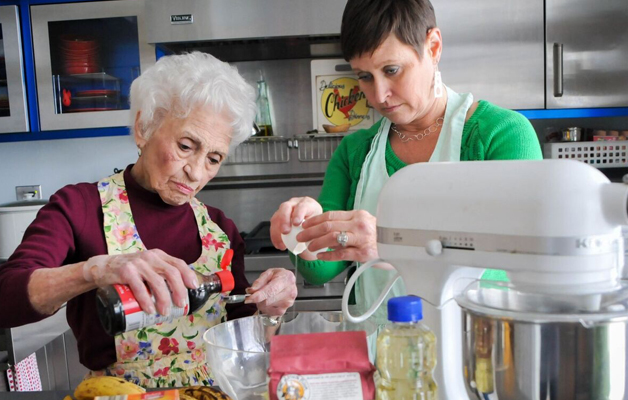
The aroma of baked goods can evoke cherished memories. Involve your loved one in easy, hands-on tasks like stirring batter, sprinkling sugar, or rolling dough. Opt for recipes with familiar flavors like cinnamon or vanilla to create a comforting sensory experience.

2. Arts and Crafts

Winter-themed crafts, such as decorating holiday cards, making paper snowflakes, or stringing beads, can help enhance motor skills and provide a sense of accomplishment. Focus on simple, low-pressure projects with minimal steps.

3. Indoor Gardening

Planting herbs or caring for small indoor plants is a soothing and rewarding hobby. Winter is a great time to start an indoor herb garden that can be enjoyed year-round.

4. Music and Singing

Music has a profound effect on individuals with dementia, often sparking memories and emotions. Sing along to favorite holiday tunes or play soothing instrumental music to brighten the day.

5. Puzzles and Games

Simple jigsaw puzzles with large pieces, memory card games, or sorting activities can provide cognitive stimulation. Choose activities that align with their abilities to ensure a positive and enjoyable experience.

6. Knitting or Crocheting

For those who have enjoyed knitting or crocheting in the past, these hobbies can provide both comfort and a sense of purpose. Use soft, colorful yarns for added sensory benefits.

7. Storytelling and Reminiscing

Winter evenings are perfect for cozy storytelling sessions. Bring out photo albums or discuss favorite winter memories. Reminiscing can spark meaningful conversations and strengthen connections.

8. Gentle Exercise

Simple indoor exercises like chair yoga, stretching, or a light dance session can help improve circulation and mood. Add a winter theme by mimicking snowflake movements or pretending to skate!

Tips for Success

  • Adapt Activities: Tailor hobbies to suit their current abilities and interests.
  • Create a Calm Environment: Minimize distractions and offer clear instructions.
  • Focus on the Process: Prioritize enjoyment over the final product.

Engaging in winter hobbies can bring warmth and happiness to seniors living with dementia, fostering connection and enriching their daily lives.

10 Engaging Holiday Activities for Seniors Living with Dementia

The holiday season is a special time to create meaningful moments with loved ones, including seniors living with dementia. Engaging in activities tailored to their abilities can foster joy, reduce anxiety, and strengthen connections. Here are ten activities to consider:

  1. Holiday Music Sing-Alongs
    Music has a unique ability to evoke memories. Play familiar holiday songs and encourage singing along. Keep it simple with classics that resonate with the senior’s past.
  2. Decorating Together
    Involve seniors in decorating the home or their personal space. They can hang ornaments, string garlands, or arrange holiday-themed decorations. Provide tasks suited to their dexterity and cognitive level.
  3. Baking Holiday Treats
    Engage them in baking cookies or preparing simple holiday treats. Tasks like stirring, rolling dough, or decorating cookies can be fun and sensory-rich experiences.
  4. Creating Holiday Cards
    Crafting homemade cards allows seniors to express themselves creatively. Provide pre-cut materials, stamps, or stickers to make the process easy and enjoyable.
  5. Reminiscing Over Old Photos
    Bring out old family holiday photos and share stories. This activity can spark positive memories and provide an opportunity for connection.
  6. Watching Classic Holiday Movies
    Choose lighthearted, familiar holiday films or TV specials. Watching together creates a cozy atmosphere and can bring comfort.
  7. Sensory Activities
    Incorporate sensory-rich activities, such as arranging holiday-scented candles, touching soft decorations, or smelling spices like cinnamon and nutmeg. These experiences can evoke pleasant emotions.
  8. Holiday-Themed Puzzles
    Large-piece puzzles or simple holiday-themed games like matching cards are excellent for maintaining focus and providing entertainment.
  9. Hosting a Small Holiday Tea or Cocoa Party
    Organize a quiet, intimate gathering with seasonal beverages and soft holiday music. This offers social interaction without overwhelming stimulation.
  10. Walking Through Festive Lights
    Take a leisurely stroll or drive through areas with holiday lights. The colorful displays can be mesmerizing and uplifting.

When planning these activities, always prioritize the senior’s comfort and preferences. Keep the environment calm and avoid overstimulation. By focusing on what brings them joy, you can create holiday moments they’ll cherish.

NursePartners has supported thousands of older adults in the Philadelphia area. We know that in order to provide care, we first have to connect. This enables us to build trusting relationships and are conducive to providing good care.

If you would like to learn more about home care or GEM (dementia) care services, call us today: 610-323-9800.

Minimizing Fall Risks in the Home for Older Adults

Falls are one of the leading causes of injury among older adults, but many of these incidents can be prevented with simple adjustments to the home environment. By proactively identifying and addressing potential hazards, families can create safer living spaces and support the independence of their loved ones.

Common Risk Factors

As individuals age, physical changes such as reduced balance, muscle weakness, and declining vision can increase the likelihood of falls. Medications, chronic health conditions, and cluttered living spaces further contribute to the risk.

Practical Steps to Reduce Fall Risks

  1. Declutter and Organize: Keep pathways clear of unnecessary items, such as cords, rugs, and furniture, to prevent tripping hazards.
  2. Improve Lighting: Ensure all rooms, hallways, and staircases are well-lit. Install nightlights in frequently used areas like bathrooms and bedrooms.
  3. Install Grab Bars and Handrails: Secure grab bars in bathrooms near toilets and bathtubs, and ensure sturdy handrails are on all staircases.
  4. Use Non-Slip Surfaces: Place non-slip mats in showers, bathtubs, and entryways. Replace slippery rugs with non-skid backing.
  5. Keep Essentials Accessible: Store frequently used items within easy reach to minimize the need for climbing or bending.
  6. Encourage Proper Footwear: Non-slip shoes or slippers with good traction provide better stability than socks or loose-fitting footwear.
  7. Regular Vision and Health Checks: Routine check-ups can address vision problems and other medical conditions that increase fall risks.

The Role of Technology & Dementia

Consider using fall detection devices or wearable alert systems for added safety. These tools can provide peace of mind for both older adults and their families.

However, if an older adult is living with dementia, you will want an extra pair of eyes and ears on the ground. This is because the older adult may revert back to previous behaviors and forget why safety measures were implemented.

If you seek supplemental care, consider when it would be most beneficial for the older adult. They may be prone to wake and wonder at unusual hours. These are the hours when you would want the assistance of a certified nursing assistant.

To learn more about how NursePartners can best support your loved one, call us today at 610-323-9800.

Creating Holiday Connections: Tips for Carepartners to Engage with Older Adults

The holiday season is a time for connection, joy, and reflection. For carepartners, it’s an opportunity to strengthen bonds with older adults and bring extra cheer to their lives. Here are a few meaningful ways caregivers can engage with older adults during the holidays.

1. Share Holiday Traditions

Engage older adults by revisiting cherished traditions, such as baking holiday cookies, decorating a tree, or lighting candles. Ask them to share their favorite memories or recipes—this can rekindle fond moments while creating new ones.

2. Incorporate Music and Arts

Holiday music and crafts are excellent ways to uplift spirits. Singing carols, playing classic songs, or making decorations together can encourage creativity and evoke a sense of belonging.

3. Explore Storytelling

Encourage older adults to share stories about holidays past. You can turn these into storytelling sessions with younger family members or create a memory book to celebrate their experiences.

4. Engage in Acts of Kindness

Involve them in charitable activities like writing holiday cards for neighbors, donating to a food drive, or knitting scarves for those in need. These small gestures foster a sense of purpose and connection.

5. Enjoy Holiday Entertainment

Watch classic holiday movies or attend local events such as concerts or plays (virtually or in person). It’s a great way to share laughter and nostalgia.

6. Adapt Activities to Their Needs

Ensure that activities align with the older adult’s physical and cognitive abilities. Whether it’s a cozy chat over hot cocoa or a short stroll to enjoy holiday lights, tailor activities to their comfort level.

The holidays provide a special time to focus on togetherness and love. With thoughtful planning, caregivers can create memorable and heartfelt moments that make the season bright for older adults.

NursePartners places a special emphasis on connecting before providing care to older adults. Our plans of care include reference to the older adult’s work and family history, as well as hobbies, skills, and other preferences. These are essential for the carepartner to provide personalized care while assisting the older adult with the activities of daily living (bathing, eating, mobility, etc.).

Want to learn more about how we can help your loved one? Please call us at 610-323-9800.

Home Care Can Improve Your Parent’s Quality of Life

As parents age, maintaining independence and quality of life becomes increasingly challenging. A professional non-medical home care company can bridge the gap between their desire for autonomy and the need for extra support, offering tailored services that improve their overall well-being.

1. Personalized Care for Unique Needs

Non-medical home care is not one-size-fits-all. Services such as assistance with bathing, dressing, meal preparation, and medication reminders are customized to meet your parent’s specific needs. Caregivers ensure they receive the support necessary to stay comfortable and safe at home. All carepartners at NursePartners are certified nursing assistants with a working history caring for older adults.

2. Companionship and Social Engagement

Loneliness and isolation can significantly impact a senior’s mental health. Professional caregivers provide consistent companionship, engaging your parents in conversation, hobbies, and outings, which fosters emotional well-being and reduces feelings of isolation. This requires a comprehensive plan of care that takes into account your parent’s personality, hobbies, work history, and life experiences.

3. Maintaining a Safe Environment

Home care professionals are trained to identify and minimize risks in the home. From fall prevention measures to mobility assistance, they help create a secure environment that allows your parents to live confidently in their space. NursePartners completes a no cost initial assessment which includes ensuring that the home is safe for the older adult.

4. Relief for Family Members

Balancing caregiving with work and other responsibilities can be overwhelming for family members. A professional home care company provides peace of mind, knowing that your parent is in skilled and compassionate hands. We also engage the family in the ongoing case management of their parent.

5. Promoting Independence

Rather than taking over, caregivers aim to empower your parents, encouraging them to participate in daily tasks to the extent they are able. This approach preserves their sense of independence and dignity. NursePartners proactively suggests activities that your parent and the carepartner can do together.

Investing in a professional non-medical home care company is not just about meeting basic needs; it’s about enhancing your parent’s quality of life. With personalized support, companionship, and a safe home environment, your loved one can enjoy their golden years with greater joy and fulfillment.

Want to learn more about how NursePartners can support your parent? Call today at 610-323-9800.

How to Talk to Your Parents About Home Care

Discussing home care with your parents can be a delicate and emotional conversation. While it’s natural to want the best for them, the topic may bring up concerns about independence, finances, or the reality of aging. Approaching the subject thoughtfully and with empathy can help foster understanding and agreement. Here’s how to start this important conversation.

1. Choose the Right Time and Place

Timing is everything. Find a quiet, comfortable setting where everyone feels relaxed and open to talking. Avoid bringing up the subject during a stressful moment or when emotions are running high.

2. Do Your Homework

Before the conversation, research home care options, services, and costs. Be ready to explain how home care can enhance their quality of life by offering assistance with daily activities, providing companionship, and ensuring safety while allowing them to remain in their home.

3. Focus on Their Needs and Desires

Frame the discussion around your parents’ wishes rather than your own concerns. Ask open-ended questions like:

  • “What tasks are becoming harder for you lately?”
  • “How do you feel about getting some extra help at home?”
    This shows that you’re prioritizing their perspective and respecting their autonomy.

4. Address Common Misconceptions

Your parents may worry that accepting home care means losing independence or privacy. Reassure them that home care is designed to support their independence by enabling them to stay at home rather than moving to a facility.

5. Share Stories or Examples

If you know friends or family members who have benefited from home care, share their experiences. Hearing positive outcomes can help reduce hesitation and build trust in the idea.

6. Include Them in the Decision-Making

Involve your parents in choosing a home care agency or caregiver. Review options together and encourage them to ask questions. This empowers them to feel in control of the process.

7. Be Patient and Respectful

It’s normal for parents to resist the idea at first. Avoid pushing or pressuring them. Give them time to consider the information and revisit the conversation as needed.

8. Seek Professional Advice if Necessary

If the conversation becomes difficult, consider involving a trusted third party, such as a doctor, social worker, or care manager. These professionals can provide valuable insights and help address specific concerns.

9. Reassure Them of Your Support

Let your parents know that you’re in this together. Acknowledge their fears and emphasize that the goal is to enhance their quality of life, not to take control.

Conclusion

Talking to your parents about home care requires sensitivity, preparation, and patience. By approaching the conversation with empathy and a focus on their well-being, you can help them see the value of home care as a supportive and empowering choice. Ultimately, this discussion is about ensuring they have the care and support they need to thrive in their later years.

The time does not need to be “perfect” to introduce home care services. We are here to talk to you about what care could look like for your parents: 610-323-9800.

Recognizing the Early Warning Signs of Dementia

Dementia is a complex disease marked by a decline in cognitive abilities, including memory, reasoning, and social skills. These changes can significantly impact a person’s daily life, making early recognition crucial for better treatment outcomes. Although symptoms vary by individual and type of dementia, several early warning signs are common across many types of dementia. Here’s what to look out for if you’re concerned about yourself or a loved one.

1. Memory Loss that Disrupts Daily Life

Short-term memory issues are often the first sign of dementia. Forgetting dates, repeatedly asking the same questions, or relying heavily on reminder notes are indicators to watch. While everyone occasionally forgets things, persistent memory loss that affects daily routines is a red flag (Alzheimer’s Association, 2023).

2. Challenges with Planning or Problem-Solving

People with early dementia may find it difficult to plan tasks or work through problems. For example, managing finances, following a recipe, or paying bills may become challenging. This change, often tied to executive functioning, can make once-simple tasks feel overwhelming and may lead to errors (Mayo Clinic, 2022).

3. Confusion about Time and Place

People experiencing dementia may lose track of dates, seasons, or even where they are. They might feel disoriented in unfamiliar places or struggle to understand events as they unfold (National Institute on Aging, 2021).

4. Difficulty Completing Familiar Tasks

Routine tasks, such as driving to familiar locations, preparing a favorite meal, or remembering the rules of a game, may become difficult for someone with dementia. This is distinct from occasional forgetfulness; it’s a noticeable inability to complete tasks that were once second nature, reflecting a decline in cognitive ability (Alzheimer’s Research UK, 2022). Remember to always compare cognitive functioning to the person’s previous baseline. This is why creating a comprehensive plan of care is crucial, as it allows us to realize when something has changed.

5. Changes in Mood and Personality

Mood and personality changes can also signal dementia, as the brain undergoes changes that affect emotional regulation. People may become anxious, fearful, easily upset, or depressed, and may show signs of apathy, especially regarding hobbies and activities they once enjoyed. They may also become suspicious of others, a response sometimes triggered by feelings of confusion and frustration (Alzheimer’s Association, 2023).

6. Trouble Understanding Visual or Spatial Relationships

Dementia can affect spatial perception and depth awareness, making it hard to judge distances, navigate spaces, or recognize familiar objects. This issue is especially prevalent for conditions like Alzheimer’s disease (one of the many forms of dementia), where visual processing in the brain is compromised. Misjudging distance while driving, for instance, can be an early indicator (World Health Organization, 2021).

7. Difficulty with Words and Conversations

Language challenges, such as struggling to find the right words, repeating phrases, or having difficulty following conversations, are also common in the earlier stages of dementia (Diamond and Emerald stages following the GEMs methodology). This can result in more frequent pauses, misunderstandings, or noticeable frustration when trying to communicate, which may lead to social withdrawal over time (Mayo Clinic, 2022).

What to Do if You Notice These Signs

If you or someone you know displays these symptoms, consider speaking with a healthcare provider. Early diagnosis can help rule out other potential causes, such as vitamin deficiencies or medication side effects, and enable planning for appropriate support and treatment options.

If there is a diagnosis of dementia, start your care team earlier. The longer you wait, the harder it will be to build a stable care team to support your loved one in the comfort of their home.

Let us tell you more about our approach to caring for those living with dementia: 610-323-9800.

References

Winter Activity Ideas for Older Adults

Winter can be a challenging season for older adults, with shorter days, colder temperatures, and the temptation to stay indoors. However, it’s essential to stay active and engaged for mental and physical health. Here are some enjoyable activities that can help older adults make the most of the winter season.

1. Exercising Inside

  • Don’t overthink it. Simple range of motion activities can make a world a difference for an older adult. Sometimes they just need prompting or someone to do it with them. If a physical therapy plan exists, reference this for ideas.

2. Crafting and Hobbies

  • Winter is a perfect time to get creative! Knitting, painting, drawing, and scrapbooking are great indoor hobbies that can boost mental well-being and provide a sense of accomplishment. Older adults can also try their hand at new hobbies like calligraphy, arts and crafts, or jigsaw puzzles.

3. Puzzles and Brain Games

  • Engaging in activities like crossword puzzles, Sudoku, and card games is an excellent way to keep the mind sharp. Board games with family or friends also encourage social interaction and can be a lot of fun.

4. Baking and Cooking

  • Cold weather invites cozy baking and cooking projects. Whether it’s trying new recipes or preparing comforting favorites, cooking can be a creative outlet. Many communities also offer cooking classes tailored to seniors for those looking to refine their skills.

5. Reading and Audiobooks

  • Winter provides a great opportunity to dive into a new book or catch up on classics. Audiobooks are also a wonderful way for those with vision impairments or other challenges to enjoy stories.

6. Virtual Social Groups

  • Staying socially connected is vital, especially in winter when it may be harder to see others in person. Many organizations offer virtual social groups, book clubs, or learning sessions, allowing seniors to interact with friends or meet new people from home.

7. Bird Watching and Nature Walks

  • On sunny winter days, older adults can bundle up and enjoy a nature walk in their neighborhood or local park. Bird watching is a relaxing activity that can be done indoors or outdoors, especially with a pair of binoculars and a bird feeder to attract local species.

8. Volunteer Work from Home

  • Giving back can be deeply fulfilling. Older adults can volunteer from home by writing cards to those in nursing homes, reading virtually to children, or helping charities with remote work. It’s a great way to stay engaged while making a positive impact.

9. Indoor Gardening

  • Gardening doesn’t have to stop in winter! Indoor plants, small herb gardens, or even caring for succulents provide a bit of nature indoors. Studies show that caring for plants can reduce stress and improve mental health.

With a bit of creativity and planning, older adults can find many ways to stay active, social, and engaged during the winter months. If you do not have a care team in place, consider bringing it a professional partner. NursePartners has worked with thousands of older adults in the Philadelphia area over the last two decades. Call us to learn more: 610-323-9800.